200 Mesh Coal Mill for Cement Plants: Efficient Grinding Solution
In the modern cement production process, the preparation of pulverized coal is a critical link that directly affects the efficiency of the rotary kiln, fuel consumption, and the quality of the final clinker. Achieving a stable output of coal powder with a fineness of 200 mesh (approximately 75 microns) is a key requirement for ensuring efficient and stable combustion. This article delves into the importance, technological challenges, and optimal equipment solutions for grinding coal to 200 mesh in cement plants.
The Importance of 200 Mesh Coal Powder in Cement Production
Coal serves as the primary fuel in most cement kilns. The fineness of the coal powder directly influences its combustion rate and completeness. Coal ground to 200 mesh offers an ideal specific surface area, allowing for rapid and complete combustion in the kiln’s burning zone. This leads to a stable flame, uniform heat distribution, and optimal sintering temperature for clinker formation. Inadequate fineness can result in incomplete combustion, higher unburned carbon content in ash, wasted fuel, and increased NOx emissions. Conversely, excessively fine grinding consumes unnecessary energy. Therefore, the 200 mesh target represents a balance between combustion efficiency and grinding economy.
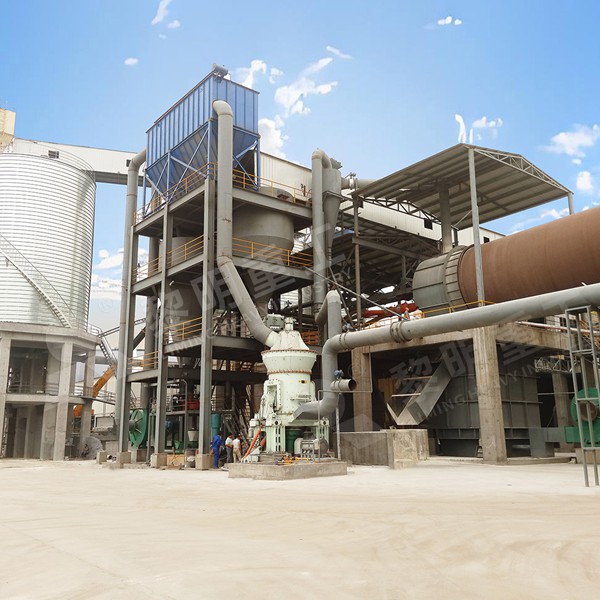
Technical Challenges in Achieving Consistent 200 Mesh Output
Grinding coal to a consistent 200 mesh presents several challenges. Coal is an abrasive material with variable hardness and moisture content. Equipment must be robust to handle wear while maintaining precise particle size control. The grinding system must also integrate effective drying, as moisture can hinder grinding efficiency and powder flow. Furthermore, system stability, low maintenance requirements, and energy efficiency are paramount for cost-effective, continuous operation in a 24/7 cement production environment.
Advanced Grinding Solutions: Vertical Roller Mills
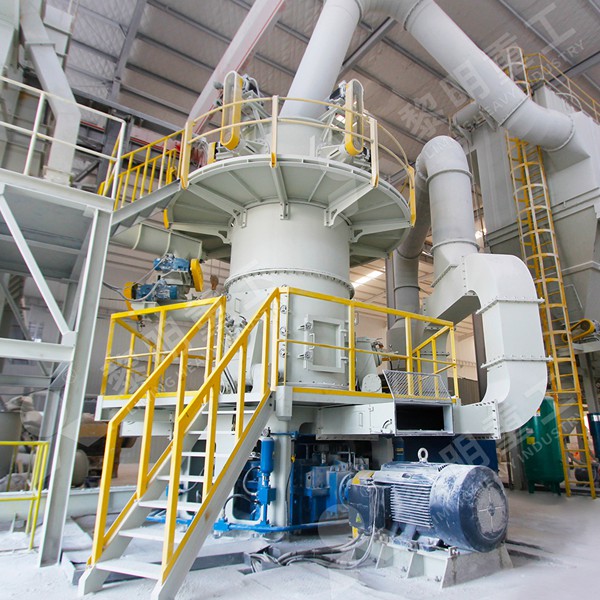
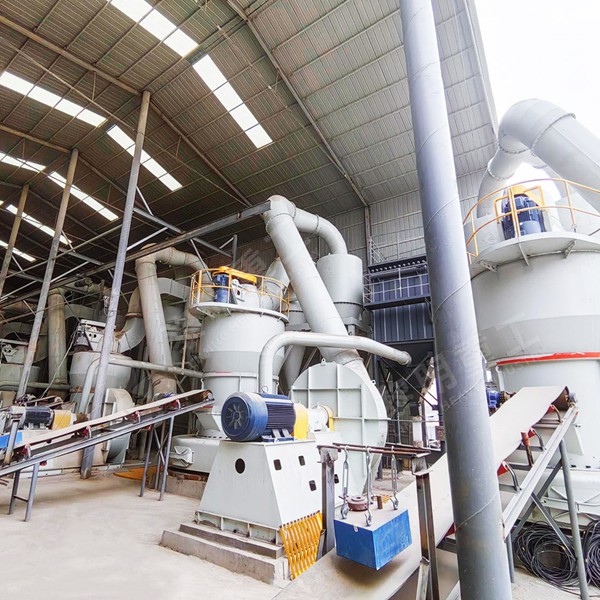
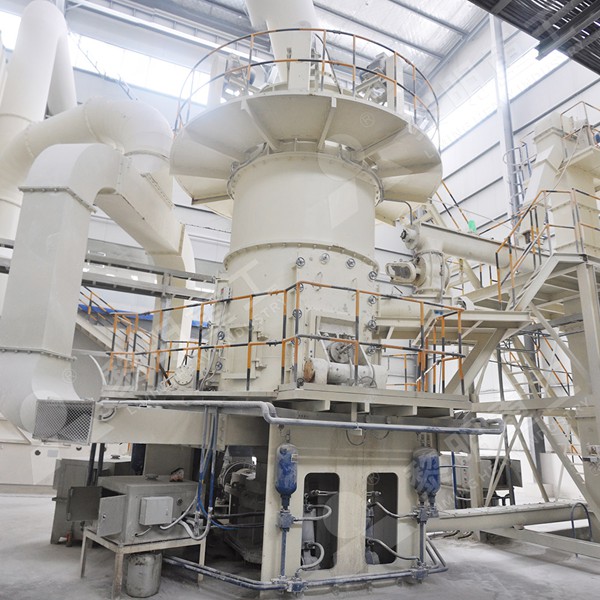
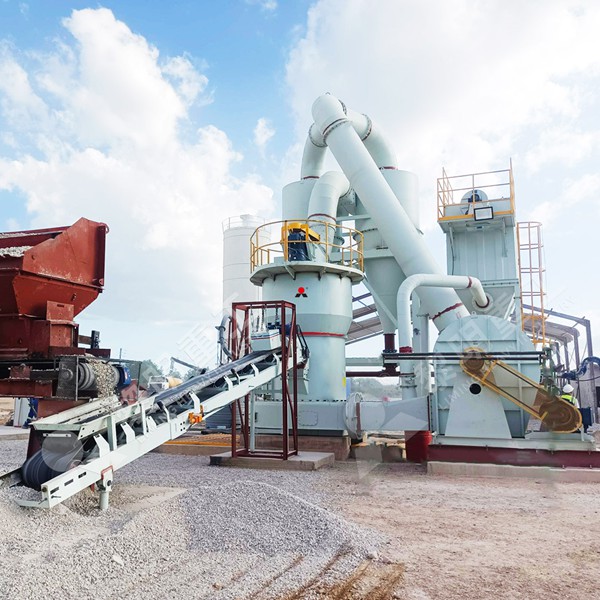
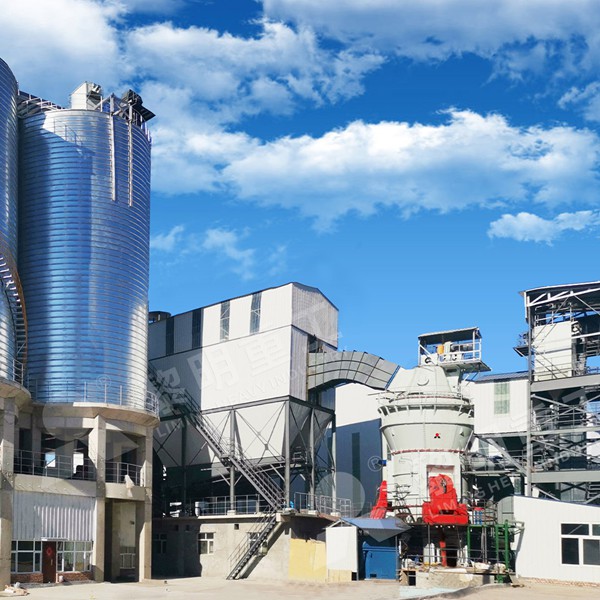
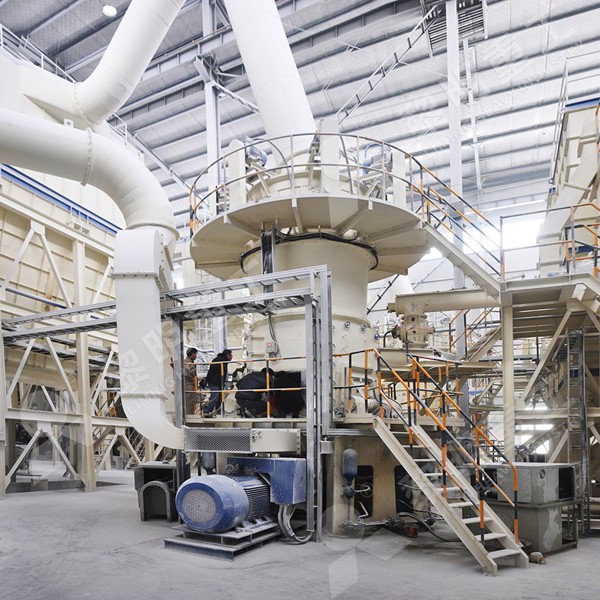
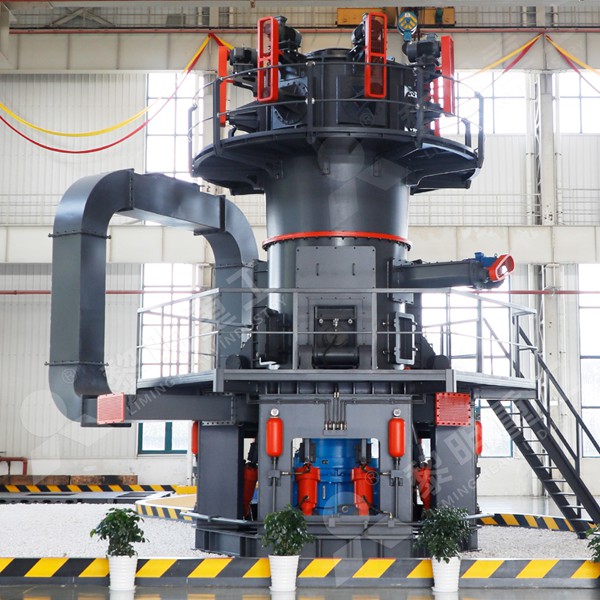
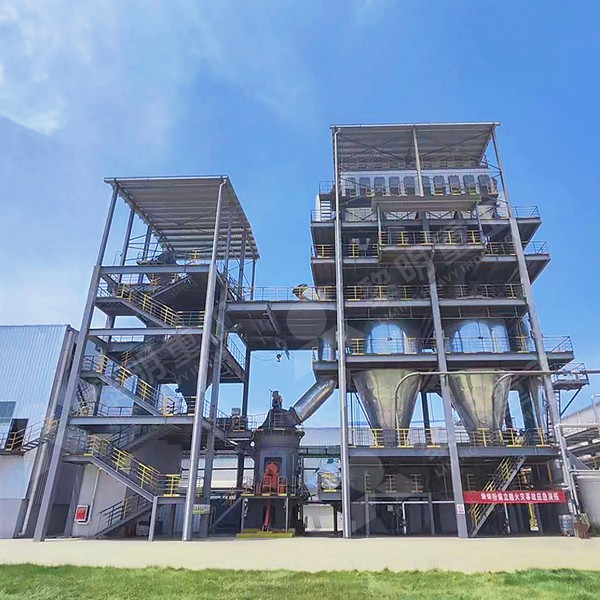
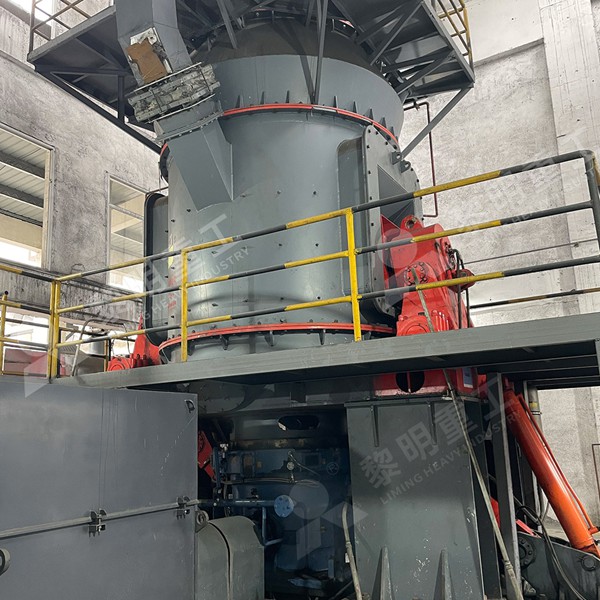
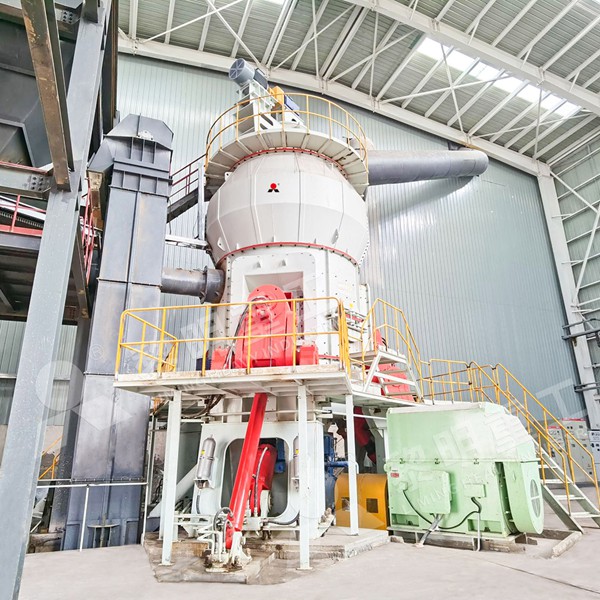
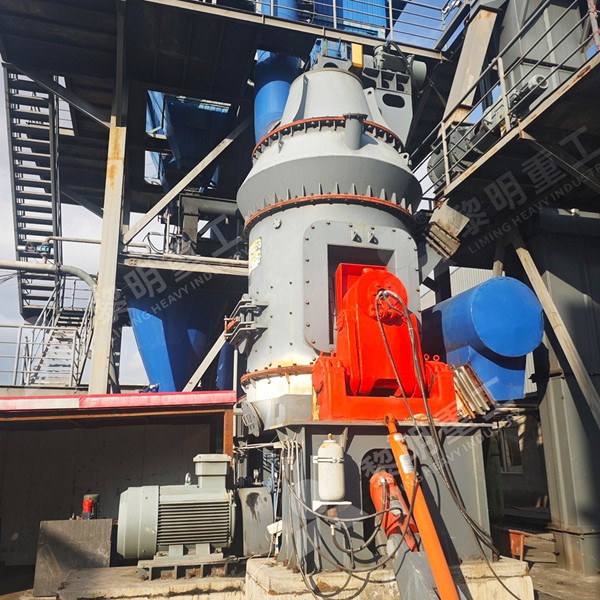
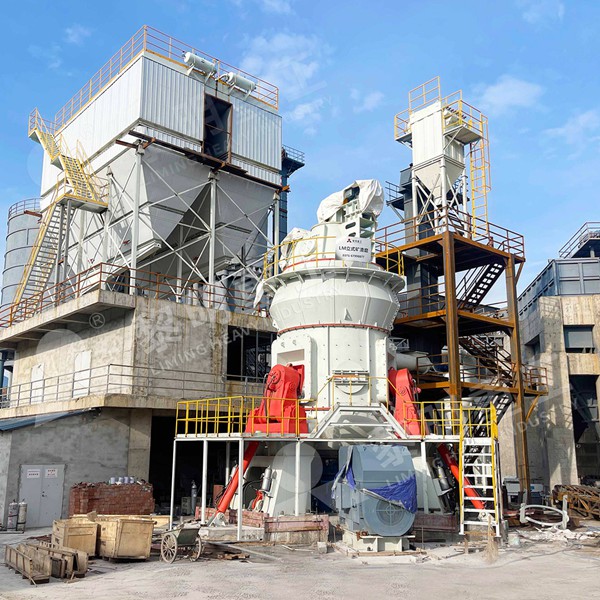
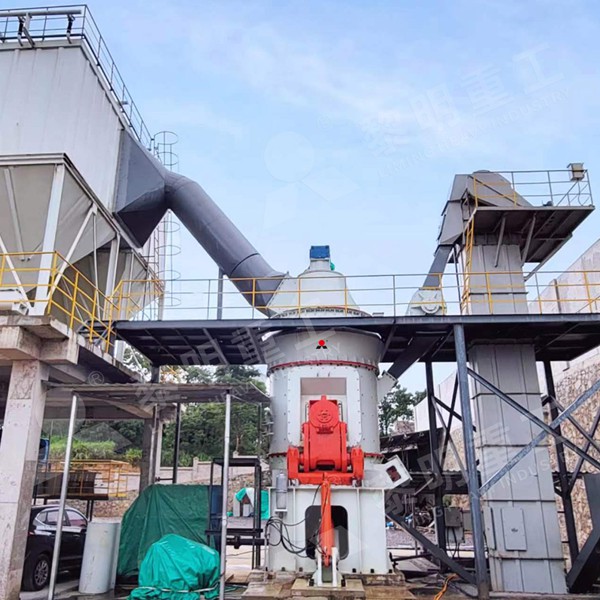
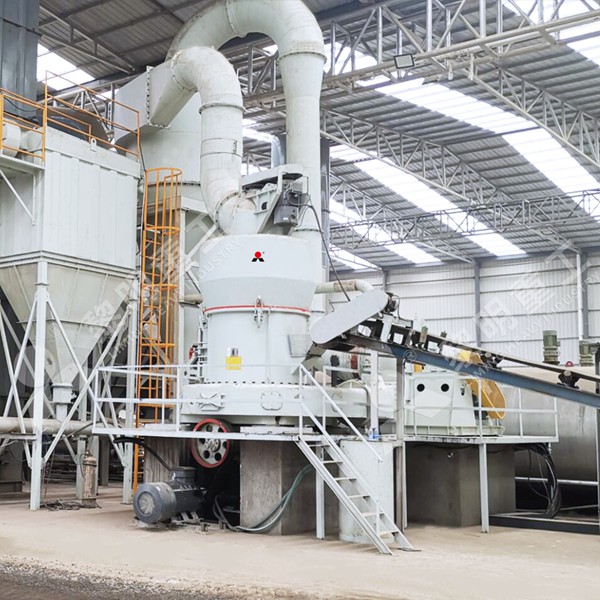
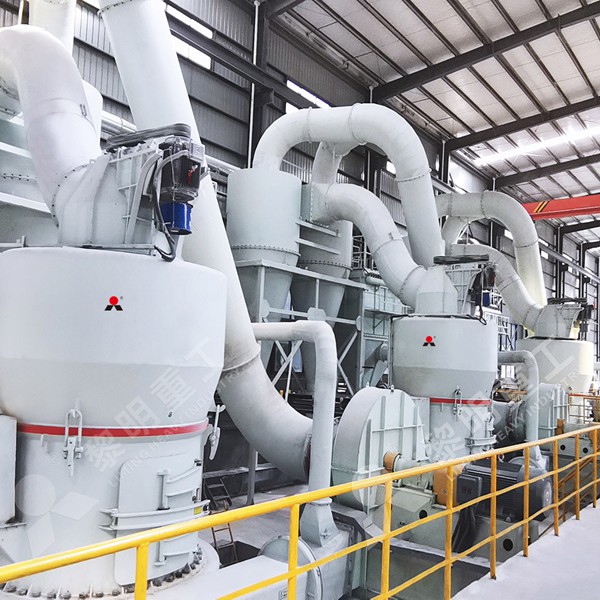
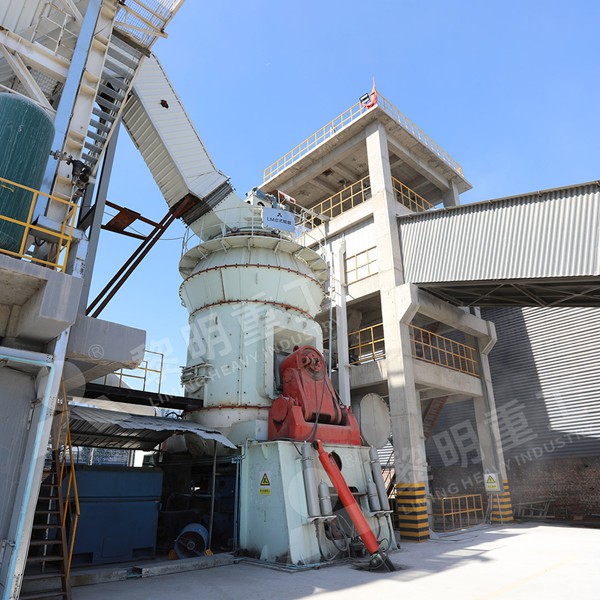
For large-scale cement plants, the LM Vertical Roller Mill stands out as a superior solution for producing 200 mesh coal powder. This technology integrates drying, grinding, classification, and conveying in a single compact unit. Its working principle involves grinding the material between rollers and a rotating table, with hot air simultaneously drying and transporting the fine powder to a classifier.
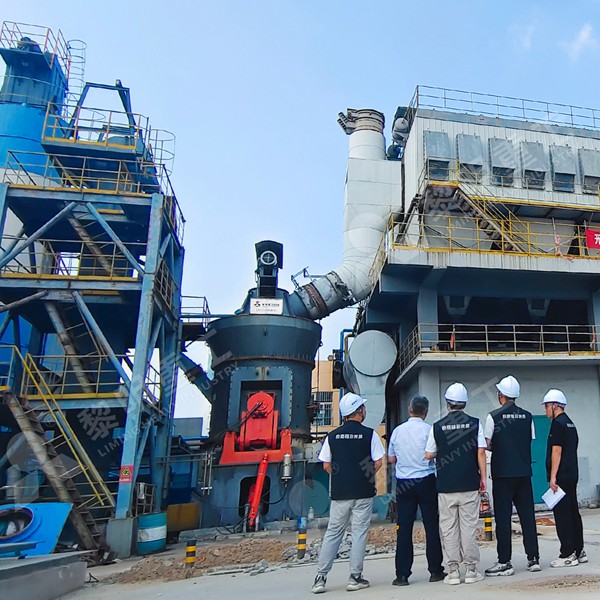
For cement coal grinding, the LM Vertical Mill offers distinct advantages. Its high grinding efficiency significantly reduces power consumption compared to traditional ball mills. The integrated dryer handles coal with certain moisture content effectively. The built-in dynamic classifier ensures precise control over product fineness, reliably achieving the 200 mesh target and allowing for quick adjustments. Moreover, its low noise, small footprint, and lower wear rate make it a modern, reliable choice. As a leader in grinding technology, Liming Heavy Industry’s LM Vertical Roller Mill is engineered to meet these demanding applications, offering models with capacities suitable for any cement plant’s needs.
Alternative and Supplementary Grinding Technologies
While vertical roller mills are often the primary choice, other technologies play crucial roles, especially in smaller plants or for specific project requirements.
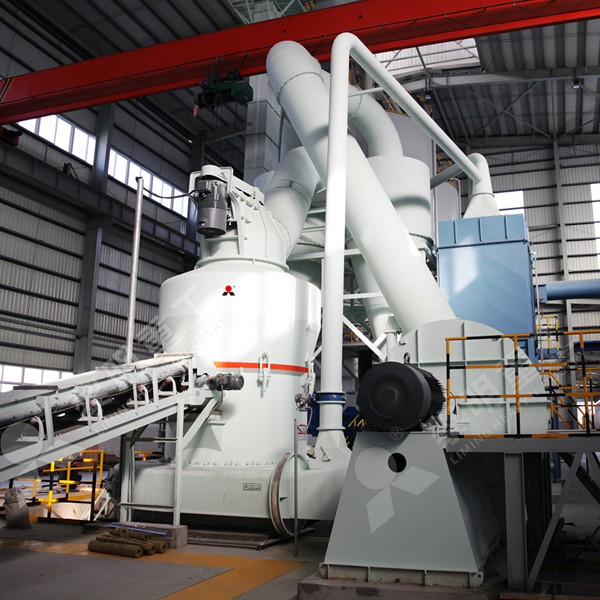
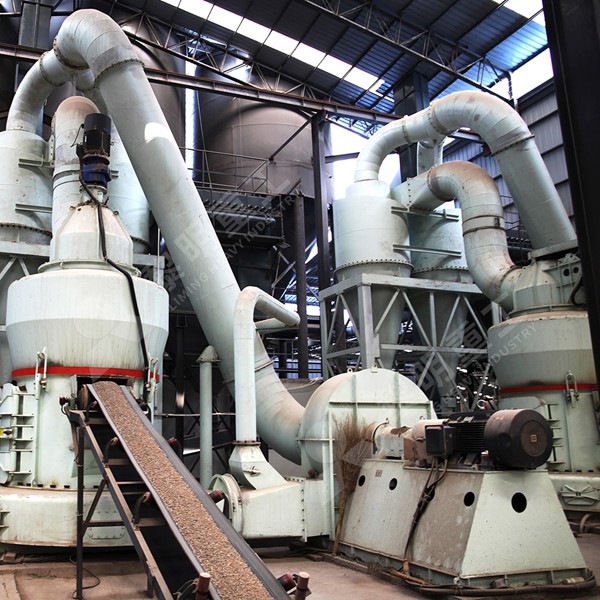
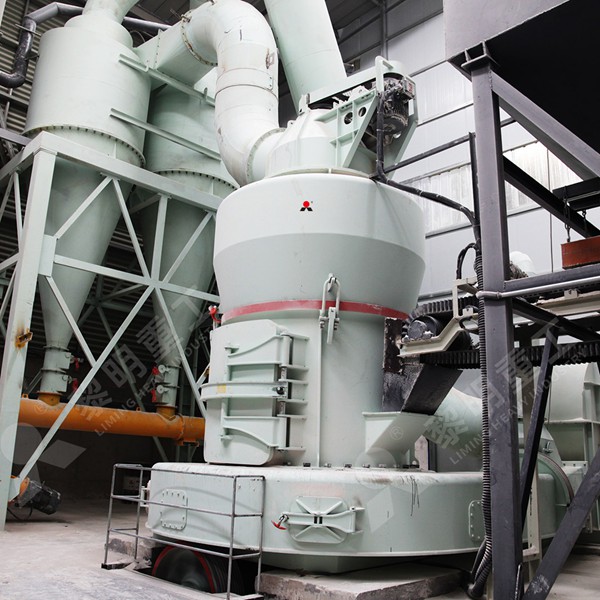
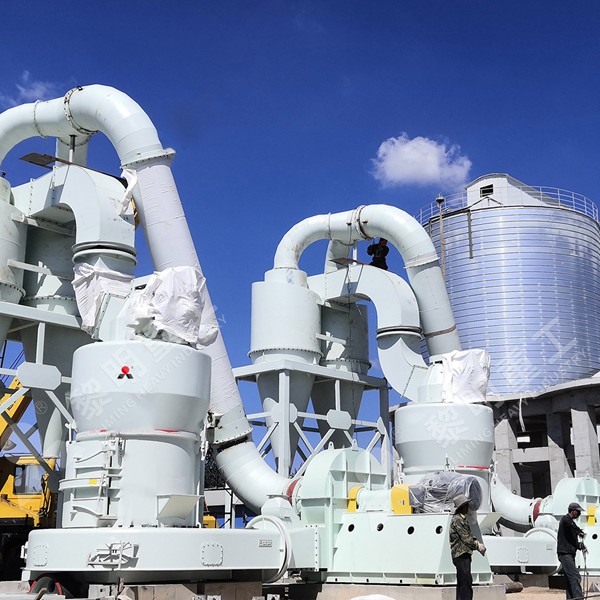
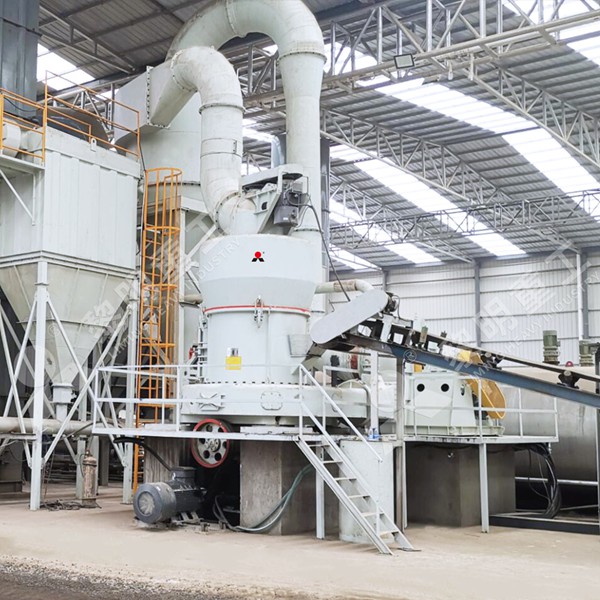
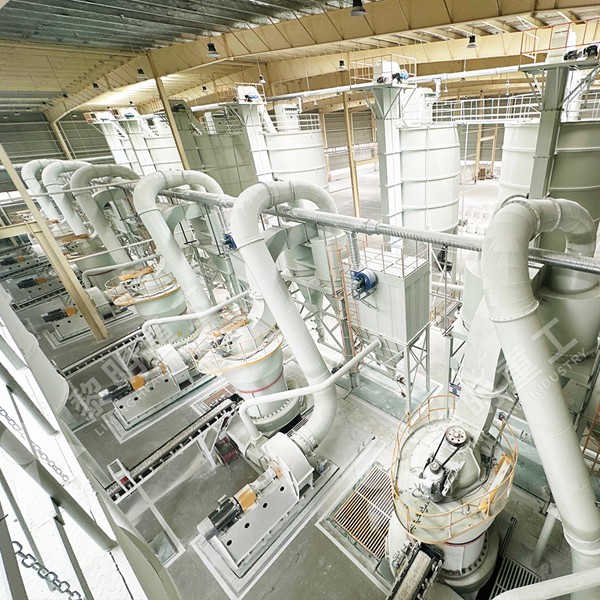
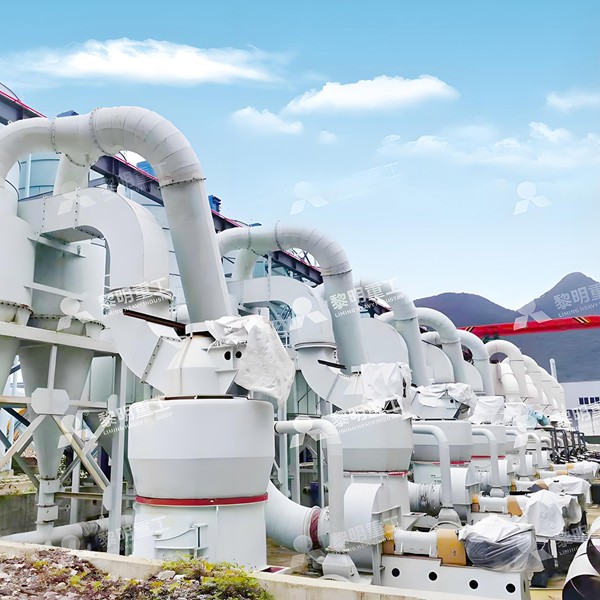
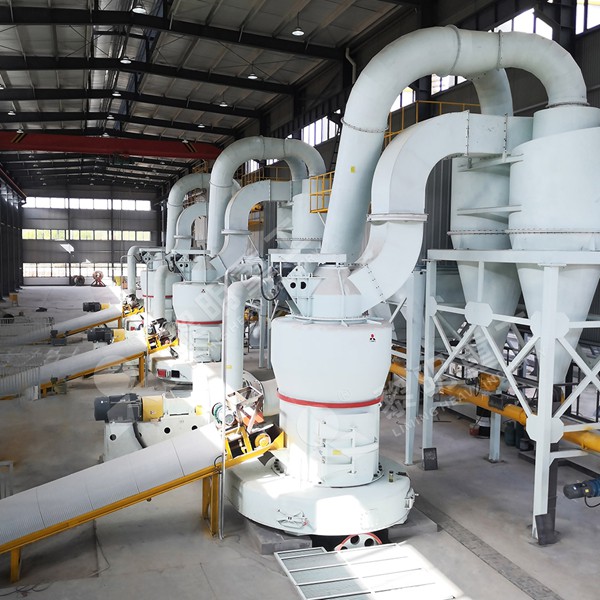
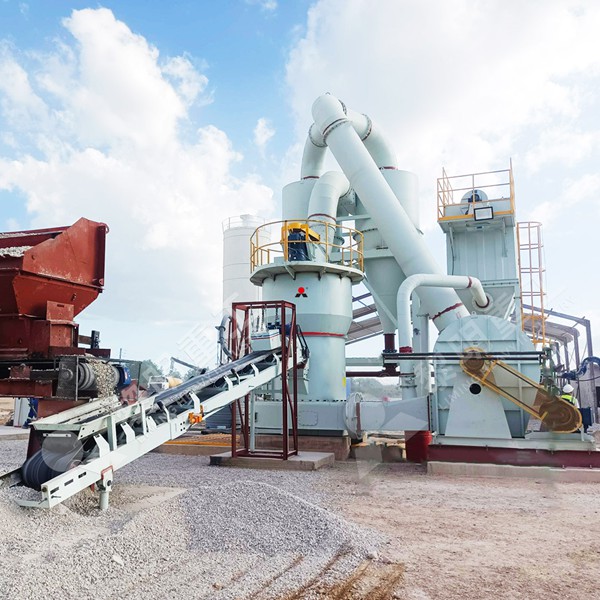
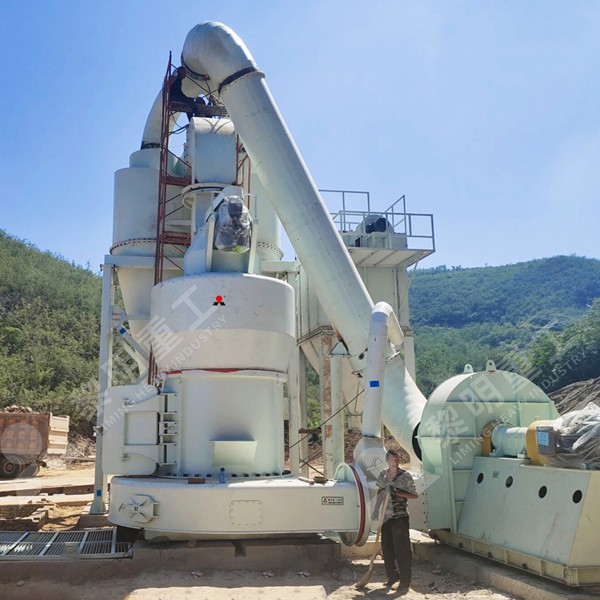
The MTW European Type Grinding Mill (Trapezium Mill) represents an advanced evolution of ring-roller mills. It is particularly well-suited for medium-scale production of 200 mesh coal powder. Its curved shovel blade design feeds material more smoothly, and its innovative grinding roller and ring profile improve efficiency. The system is a closed-circuit, negative pressure operation, which is cleaner and safer—a vital consideration for coal grinding. Liming Heavy Industry’s MTW Mill is an excellent option for plants seeking a balance of high performance, reliability, and lower initial investment.
Traditional Ball Mills are still in use, especially in older plants. They are reliable and can handle a wide range of materials but are generally less energy-efficient for fine grinding compared to vertical roller mills. Their role is often as a backup or in specific retrofit scenarios.
System Integration and Intelligent Control
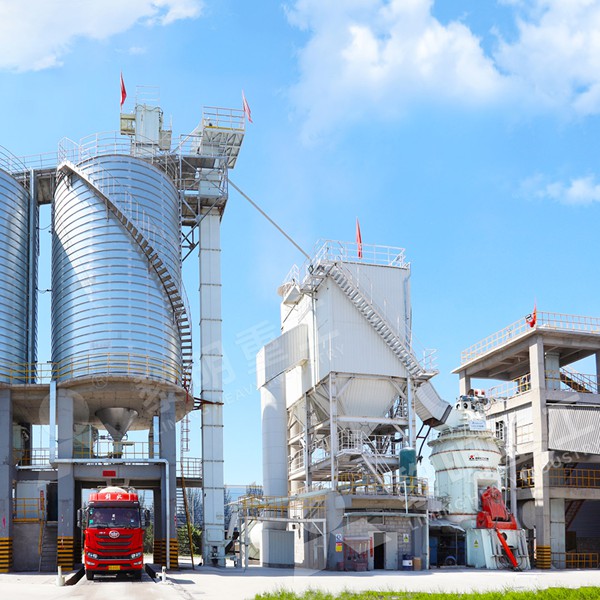
Beyond the mill itself, a complete grinding solution includes feeders, dryers (if not integrated), classifiers, dust collectors, and safety systems. Modern plants employ Programmable Logic Controller (PLC) systems for automated operation, monitoring key parameters like mill pressure, temperature, motor load, and product fineness. This intelligent control ensures the system operates at its optimal point, consistently delivering 200 mesh coal powder while minimizing energy use and operator intervention.
Conclusion
Selecting the right coal grinding system to achieve a stable 200 mesh product is a strategic decision for cement producers aiming to optimize fuel efficiency, clinker quality, and operational costs. Advanced grinding technologies like Vertical Roller Mills and European Type Trapezium Mills offer the efficiency, precision, and reliability required for modern production. With over three decades of experience in manufacturing crushing and grinding equipment, Liming Heavy Industry Co., Ltd. provides robust and technologically advanced solutions, such as the LM Vertical Roller Mill and the MTW European Mill, helping cement plants worldwide achieve excellence in pulverized fuel preparation.
FAQ (Часто задаваемые вопросы)
1. Почему именно тонкость помола 200 mesh является стандартом для угольной пыли в цементных печах?
Тонкость 200 mesh (около 75 мкм) обеспечивает оптимальное соотношение удельной поверхности частиц угля. Это позволяет достичь быстрого и полного сгорания в факеле печи, стабильной температуры обжига и высокой эффективности использования топлива. Более грубый помол приводит к недожогу, а более тонкий — к чрезмерному расходу электроэнергии на помол.
2. Какие основные преимущества вертикальной валковой мельницы (LM) перед шаровой мельницей для помола угля?
Вертикальная валковая мельница LM обладает значительно более высокой энергоэффективностью (экономия электроэнергии может достигать 30-50%). Она интегрирует сушку, помол и сепарацию в одном агрегате, имеет компактные размеры, низкий уровень шума и позволяет оперативно регулировать тонкость помола. Шаровая мельница, хотя и надежна, менее экономична и занимает больше места.
3. Может ли мельница MTW European Type обеспечить производительность, необходимую для крупного цементного завода?
Мельница MTW European Type, предлагаемая компанией Liming Heavy Industry, доступна в широком диапазоне типоразмеров с производительностью до 55 тонн в час и более. Она является отличным решением для средних и некоторых крупных производственных линий, особенно где важны надежность, чистота процесса (замкнутый цикл) и более доступная начальная инвестиция.
4. Как обеспечивается безопасность при помоле угля, который является взрывопожароопасным материалом?
Современные мельничные системы, такие как LM и MTW, спроектированы с учетом безопасности. Они работают по замкнутой схеме под отрицательным давлением, что предотвращает выброс пыли. Оборудование оснащается взрывозащитными клапанами, системами инертизации (подачи азота) и современными аспирационными фильтрами. Электрооборудование соответствует классу взрывозащиты. Контроль температуры на входе и выходе мельницы является ключевым параметром в системе автоматики.