Introduction: The Growing Gypsum Market in Astana
Astana, the capital city of Kazakhstan, has experienced rapid urbanization and infrastructure development over the past decade. This boom has led to a significant increase in demand for construction materials, particularly gypsum-based products such as drywall, plaster, and cement additives. For investors and manufacturers looking to enter or expand in this lucrative market, selecting the right gypsum powder production equipment is not just a matter of purchase—it is a strategic business decision that determines product quality, operational efficiency, and long-term profitability.
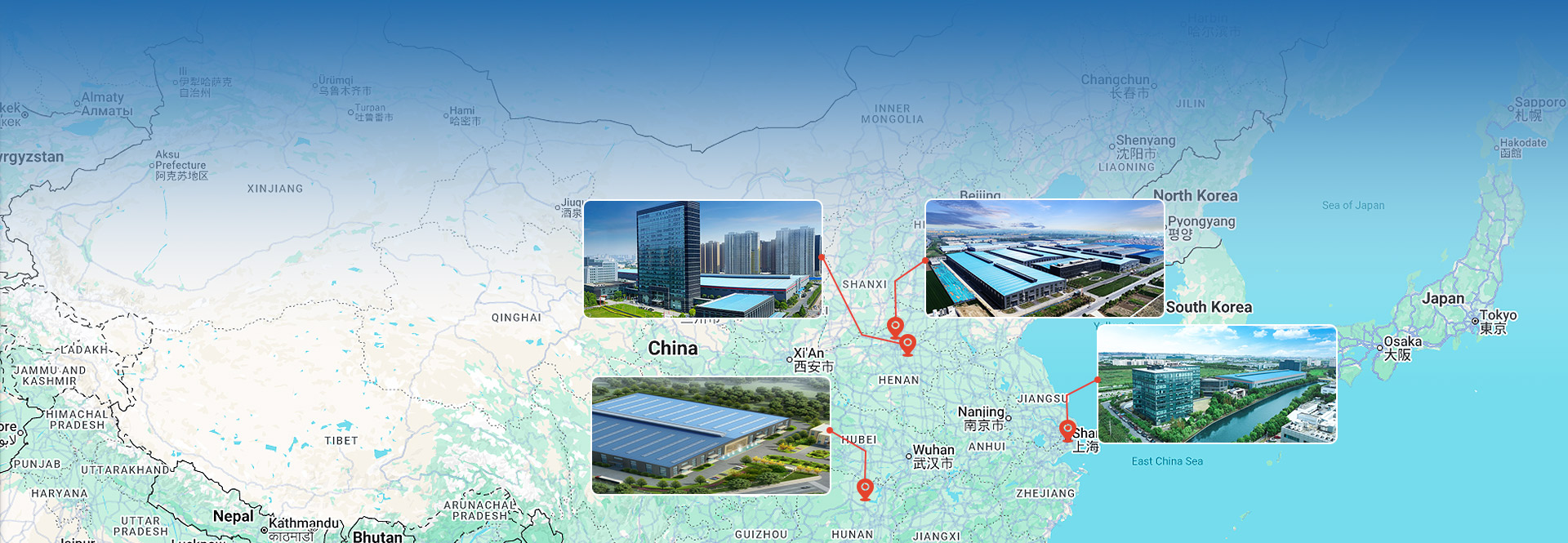
At Liming Heavy Industry Co., Ltd., we have been at the forefront of manufacturing advanced grinding and crushing solutions since 1987. With our headquarters in the HI-TECH Industry Development Zone of Zhengzhou, covering 80,000 m², and an additional workshop in Shangjie Industrial Park spanning 67,000 m², we have established ourselves as a global leader in machinery manufacturing. Our equipment is trusted in over 50 countries, including Kazakhstan, where harsh climates and demanding production schedules require robust and reliable machinery.
This comprehensive guide will walk you through the critical factors to consider when choosing gypsum powder production equipment for your Astana-based operation. From understanding your raw material specifications to selecting the right mill type, we will provide expert insights to help you make an informed choice.
Understanding Gypsum Powder Processing Requirements
Gypsum powder production involves several stages: crushing, grinding, calcination, and classification. The grinding stage is the heart of the operation, dictating the final particle size distribution, purity, and reactivity of the powder. In Astana, where gypsum deposits are typically found in the Zhambyl and Mangystau regions, raw gypsum often contains varying levels of moisture and impurities. Therefore, your equipment must be capable of handling these variations without compromising output efficiency.
Key parameters to evaluate include the target fineness (usually 80-120 mesh for construction-grade gypsum, but up to 325-600 mesh for high-end applications), the moisture content of the feed material (typically 5-10% for natural gypsum), and the required throughput capacity (ranging from small pilot plants of 2 T/H to industrial-scale operations of 50 T/H or more). Each of these factors influences the choice of mill technology.
Critical Selection Criteria for Gypsum Grinding Mills
Choosing the right gypsum powder production equipment for sale in Astana requires a systematic evaluation of several technical and economic factors. Below are the most critical criteria to consider:
1. Material Hardness and Abrasiveness: Gypsum has a Mohs hardness of 2, making it a relatively soft mineral. However, quartz and clay impurities can increase abrasiveness. For standard gypsum, Raymond mills are highly effective. For more abrasive or high-capacity applications, vertical roller mills (VRMs) or ball mills are better options.
2. Fineness and Classification Accuracy: The market in Astana demands gypsum powder with precise fineness for various applications—from coarse grades for cement retarders to ultra-fine powders for medical and food-grade uses. Mills with integrated classifiers, such as our LM Vertical Roller Mill, offer precise fineness control (adjustable between 80 mesh and 325 mesh) and high classification efficiency.
3. Energy Efficiency and Operating Costs: In a city with extreme winters, energy costs are a significant concern. Modern grinding equipment should be designed to minimize energy consumption per ton of product. Our MTW European Type Trapezium Mill, for instance, incorporates an internal circulation system and energy-saving design, reducing electricity consumption by 30-40% compared to traditional Raymond mills.
4. Environmental Compliance: Kazakhstan has been tightening emission standards for industrial facilities. Your gypsum powder production equipment must include efficient dust collection systems. Both our LM Vertical Mill and MTW Mill are equipped with pulse dust collectors that ensure emissions comply with international environmental standards.
Comparative Analysis of Liming Grinding Mills for Gypsum
Having served over 10,000 customers worldwide, we recognize that one size does not fit all. Below is a detailed comparison of our most popular models for gypsum powder production in Astana:
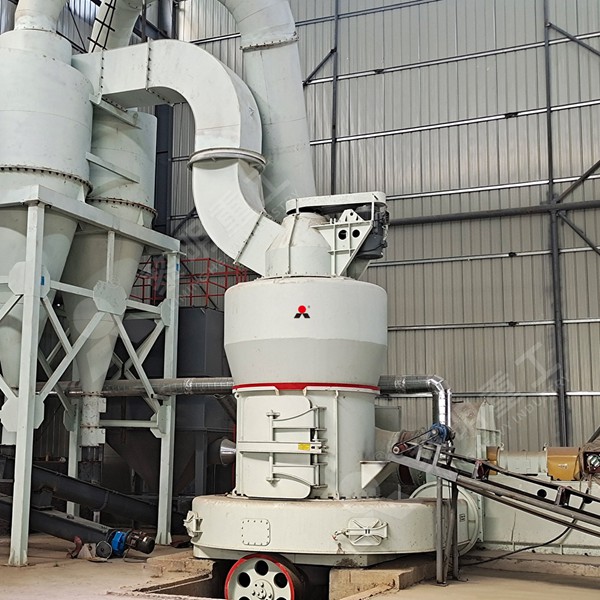
LM Vertical Roller Mill (Capacity: 10-400 T/H, Input Size: 30-55mm): This mill is ideal for large-scale gypsum powder manufacturing plants. It integrates drying, grinding, and classification into one system, making it perfect for processing natural gypsum with high moisture content (up to 15%). The mill uses a rotating table and hydraulic cylinders to grind material between rollers and the table, providing high efficiency and a smaller footprint compared to ball mills. It is our top recommendation for clients aiming for a production capacity of over 50 tons per hour.
MTW European Type Trapezium Mill (Capacity: 3-55 TPH, Input Size: 30-50mm): As the upgrade of the traditional Raymond mill, the MTW series is our best-selling equipment for mid-sized gypsum plants (5-30 TPH). It features an advanced internal classifier with a high accuracy of fineness, and its bevel gear transmission ensures smooth and reliable operation. For an Astana-based company producing gypsum for drywall manufacturing, this is the most cost-effective solution.
Raymond Mill (Capacity: 1.2-4.5 T/H, Input Size: 15-25mm): For small-scale or specialty gypsum production, our Raymond mill remains a robust and reliable choice. It requires minimal investment and can produce powder with fineness between 613μm and 44μm, making it suitable for niche applications.
MW Micro Powder Mill (Capacity: 0.5-25 T/H, Input Size: 10-20mm): If your target market requires superfine gypsum powder (325-2500 mesh) for high-end applications like mold making or pharmaceuticals, the MW Micro Powder Mill is your go-to solution. Based on advanced Swedish grinding technology, it achieves d97 ≤ 5μm.
Recommendation: LM Vertical Mill for Large-Scale Astana Projects
For the majority of investors in Astana, who are planning to serve major construction conglomerates, we highly recommend our LM Vertical Roller Mill. Here is why this machine stands out:
First, its ability to simultaneously dry and grind gypsum with high moisture content eliminates the need for a separate drying unit, significantly reducing capital expenditure. Second, the vertical design allows for larger capacity in a compact space, which is often a constraint in urban industrial zones. Third, its automatic control system uses PLC technology to maintain consistent product quality, even when raw material characteristics fluctuate—a common issue when sourcing gypsum from multiple local quarries.
To put this in perspective, a typical Gypsum Powder Production Equipment for Sale in Astana project involving an LM170M mill can process 30 tons of raw gypsum per hour, producing powder with a fineness of 200 mesh, with an electricity consumption of only 17 kWh per ton. This efficiency can lead to a payback period of less than 2 years, even with initial investments in infrastructure and installation.
Our Recommended Product Showcase
Based on the needs of Astana’s growing construction sector, we present two flagship solutions available for purchase:
Product 1: MTW European Type Trapezium Mill (Model: MTW110/MTW138) – Perfect for medium-scale producers. This mill guarantees an output of 4-22 T/H, reduced vibration and noise, and a 20% higher capacity than traditional mills with the same power. It is equipped with a pulse dust collector, ensuring a clean production environment.
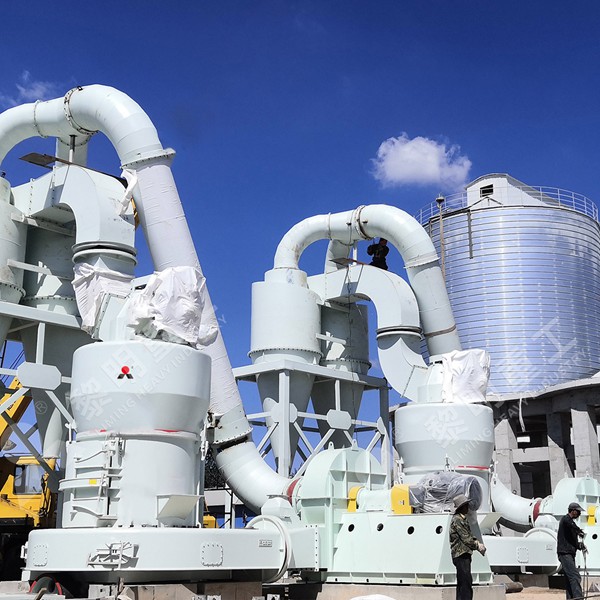
Product 2: LM Vertical Roller Mill (Model: LM130/LM170) – For industrial-scale companies. It offers a capacity of 10-45 T/H, the highest energy efficiency in its class, and a PLC control system that can be monitored remotely. This machine is currently producing excellent results in Xinjiang, China, which has a similar climate to Astana.
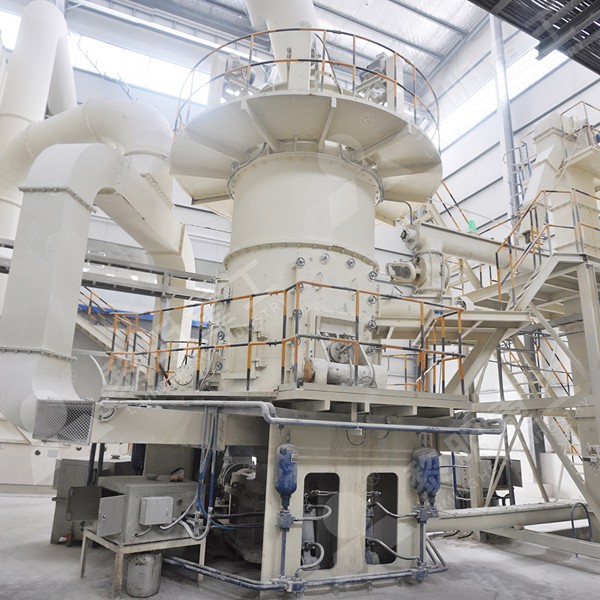
Both products are backed by our 30+ years of manufacturing expertise, complete spare parts availability, and free installation supervision at your site in Astana.
After-Sales Support and Local Presence
One key aspect often overlooked in capital equipment procurement is after-sales service. Liming Heavy Industry has established a regional service center in Almaty, Kazakhstan, to provide prompt technical support, operator training, and maintenance services. We offer a standard 12-month warranty against manufacturing defects, and our service engineers are available for on-site inspection within 48 hours of a request.
Additionally, we provide complete project solutions, including raw material analysis (we maintain a lab to test samples you send us), plant layout design, and feasibility reports. Our aim is to be your long-term partner in Astana. With the rapid infrastructure growth in Kazakhstan (the government plans to invest $12 billion in construction by 2030), starting with the right equipment now will position you as a market leader.
Conclusion and Actionable Advice
Choosing the right gypsum powder production equipment for sale in Astana involves more than just looking at the price tag. It requires a thorough understanding of your raw material, desired output, energy constraints, and budget. We advise all potential buyers to request a factory test—we encourage you to send your gypsum samples to our global R&D lab in Zhengzhou, and we will produce finished powder samples to verify our machines’ performance.
In summary, for capacities above 10 T/H, the LM Vertical Roller Mill is the best overall choice; for flexible, medium-capacity production with lower initial investment, the MTW series is unbeatable; and for superfine powders, our MW mill is uniquely positioned in the market.
Contact our sales team today via email or WhatsApp to receive a customized quote for the Gypsum Powder Production Equipment for Sale in Astana and a detailed technical datasheet. Investment in the right machinery is the first step to building a thriving gypsum business in the heart of Kazakhstan.
Frequently Asked Questions (FAQ)
Q1: What is the minimum fineness achievable with your MTW European Type Trapezium Mill for gypsum?
A: The MTW mill can adjust its fineness from 613μm (roughly 30 mesh) to 44μm (approximately 325 mesh). For standard building gypsum (200 mesh), it provides an impressive pass rate of over 97%, ensuring consistent quality for drywall and plaster applications.
Q2: How does your equipment handle the cold winters in Astana?
A: Our mills are built with high-quality steel and bearings designed to operate in ambient temperatures as low as -30°C. Additionally, we recommend installing heating coils for the lubricating oil system and motor bases to ensure trouble-free startup. Our technicians will provide a cold-climate installation guide upon request.
Q3: What is the lead time for equipment delivery to Astana and what are the shipping terms?
A: For standard models like the MTW and Raymond mills, the production lead time is 20-30 days. For LM Vertical Mills, it is 45-60 days. We ship via the China-Kazakhstan railway (Alashankou/Dostyk border), taking approximately 15 days to reach Astana. We offer FOB (Qingdao) or CIF (Astana) terms based on your preference.
Q4: Can you provide power consumption data for the LM170 mill producing gypsum powder at 200 mesh?
A: Yes. For the LM170M model, when producing gypsum powder with a fineness of 200 mesh and a capacity of 30 T/H, the specific power consumption is typically 18-22 kWh per ton, including the main motor, classifier, and auxiliaries. This is about 35% lower than a traditional ball mill of the same capacity.