


Introduction: The Growing Demand for Energy-Efficient Gypsum Processing
In the modern industrial landscape, gypsum processing has become a cornerstone for the construction, cement, and chemical industries. As global energy prices continue to fluctuate and environmental regulations tighten, manufacturers are under constant pressure to reduce operational costs while maintaining high production standards. The traditional approach to gypsum milling often involves high energy consumption, excessive wear of components, and significant material waste. Recognizing these challenges, Liming Heavy Industry Co., Ltd. has engineered a new generation of low energy consumption gypsum mills that deliver unmatched efficiency and substantial cost savings. Our commitment to innovation, backed by over 30 years of research and development, ensures that our solutions not only meet but exceed the modern demands of the gypsum market.
At Liming, we understand that gypsum processing is not a one-size-fits-all operation. From natural gypsum to synthetic gypsum (desulfurization gypsum), the physical and chemical properties of the raw material vary significantly. Therefore, our range of milling equipment is designed to adapt to these variations, offering flexibility in fineness control and throughput. This article will provide an in-depth analysis of our low-energy gypsum mill technologies, specifically focusing on the LM Vertical Roller Mill and the MTW European Type Trapezium Mill. These machines represent the zenith of our engineering expertise, integrating drying, grinding, and classification into a single, efficient system.
Technical Overview: The Mechanics of Low Energy Consumption
The principle of energy-efficient grinding lies in the design of the milling mechanism itself. Traditional ball mills operate on the impact and attrition principle, where large steel balls tumble inside a rotating cylinder. This process is notoriously inefficient, as a significant portion of the energy is consumed by the movement of the grinding media rather than the actual reduction of the material. In contrast, Liming’s Low Energy Consumption Gypsum Mills utilize a grinding table and roller mechanism. Material is fed onto a rotating table and crushed beneath hydraulically loaded rollers. This ‘bed of material’ grinding principle minimizes direct metal-to-metal contact, drastically reducing wear and energy consumption.
Furthermore, our mills are equipped with advanced internal air classification systems. The air flow within the mill is precisely controlled to carry fine particles to the separator while returning coarse particles to the grinding zone for further processing. This closed-circuit system eliminates the need for external classifiers, reducing the footprint and energy required for auxiliary equipment. The result is a mill that is not only compact but also capable of reducing specific power consumption by 30% to 40% compared to conventional grinding systems. For producers like those in the desulfurization gypsum sector (power plants) and construction material manufacturing, this translates into immediate and substantial reductions in electricity costs, directly improving the profitability and sustainability of the plant.
In-Depth Solution 1: LM Vertical Roller Mill for Large-Scale Gypsum Projects
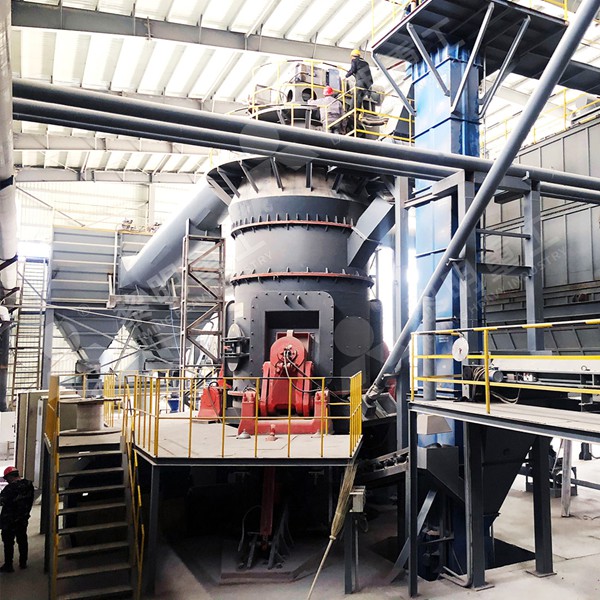
For high-capacity operations where output and efficiency are paramount, our LM Vertical Roller Mill stands out as the optimal solution. Boasting a capacity range of 10 to 400 T/H and an input size of 30-55mm, this mill is designed for heavy-duty industrial applications. The LM Vertical Mill integrates three operations—drying, grinding, and powder selection—into one central unit. This integration is particularly beneficial for high-moisture gypsum, as hot air is introduced directly into the mill to dry the material during the grinding process, which saves a substantial amount of energy that would otherwise be directed to an external dryer.
In the context of gypsum processing, the LM mill’s ability to handle sticky materials is enhanced by its specific roller geometry and optimized grinding force. The automatic electric control system continuously monitors and adjusts the material layer thickness and grinding pressure, ensuring a stable operation under varying feed conditions. This is critical for energy conservation because maintaining a stable material bed prevents the rollers from contacting the table directly, thus reducing mechanical resistance and energy spikes. Furthermore, our LM series mills are built with high-chrome alloy liners and rollers, extending the service life by more than 50% compared to standard castings. For power plants engaged in flue-gas desulfurization, the LM vertical mill is the go-to equipment for grinding gypsum into fine powder used in cement retarders or gypsum boards.
In-Depth Solution 2: MTW European Type Trapezium Mill for Cost-Saving Efficiency
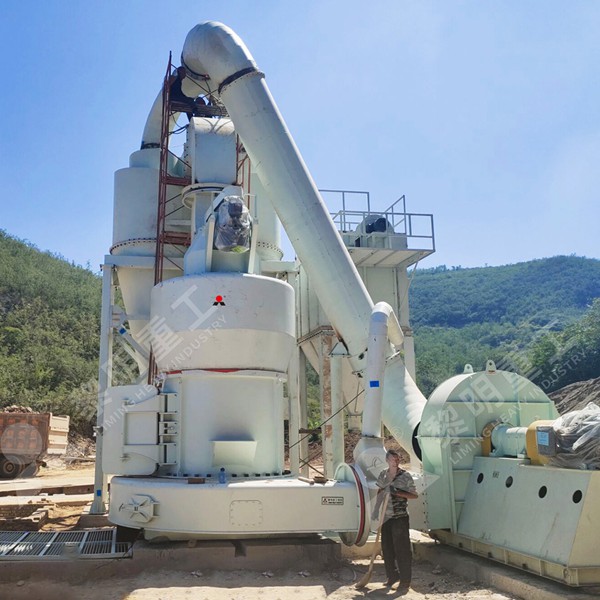
When the project scale requires high efficiency but with a smaller footprint and lower capital investment, the MTW European Type Trapezium Mill is the recommended alternative. As the upgrade of the traditional Raymond mill, the MTW series addresses the limitations of its predecessors through patented technologies. With a capacity of 3-55 T/H and an input size of 30-50mm, it is perfectly suited for medium-scale gypsum powder producers. This mill adopts a trapezium working face, which increases the grinding area and ensures higher efficiency. The internal lubrication system and bevel gear transmission are designed to reduce mechanical friction, contributing significantly to its low energy consumption credentials.
The MTW mill is engineered to provide a clean and safe working environment. It operates under negative pressure, which prevents dust from escaping the system, complying with stringent national environmental protection standards through its integrated pulse dust collector. For companies looking to process gypsum with a fineness between 80 and 600 mesh (613μm-44μm), this machine provides the versatility needed to cater to different markets, from agricultural gypsum to high-grade plasterboard. The variable-frequency belt feeder ensures even and continuous feeding, which is essential for preventing overloading and unnecessary power draw. Investing in the MTW mill allows gypsum processors to achieve a high return on investment due to lower maintenance requirements and reduced energy bills—truly a cost-saving solution for the modern industrial plant.
Comparative Analysis: Technology and Wear Parts
To fully appreciate the ‘High Efficiency’ characterization of our equipment, one must compare our systems to older technology. In a standard high-energy ball mill, the specific power consumption for grinding gypsum to a fineness of 200 mesh (which is standard for construction gypsum) can be as high as 25-30 kWh/t. Liming’s energy-saving mills, by contrast, operate at energy levels typically around 15-18 kWh/t for the same output. This significant delta is achieved through optimized air volume, sealing technologies that prevent false air ingress, and high-efficiency classifiers.
Additionally, maintenance costs are a critical factor in the total cost of ownership. The grinding rollers and table in the LM series are equipped with segmented liners that can be changed quickly, reducing downtime. The MTW mill features a curved shovel blade that protects the bottom grinding components, reducing wear in high-impact zones. Since we utilize closed-circuit systems with a recycle bin for coarse particles, the grinding ratio is optimized, ensuring that energy is not wasted on over-grinding. By recommending products based on the specific production needs—whether it be the LM Vertical Roller Mill for massive throughput or the MTW European Type Trapezium Mill for modular efficiency—Liming ensures that every operation can achieve its lowest possible energy footprint.
Operational Advanced Features and Ease of Control
Low energy consumption is not solely a function of mechanical design but also of smart automation. Liming Heavy Industry integrates auto-control systems into all our grinding mills, allowing for remote monitoring and adjustment of key parameters. The variable frequency drive on the separator regulates the rotor speed instantly to produce a consistent particle size distribution. This precision reduces the return load (oversize particles) and ensures the highest yield of finished product on the first pass. When treating specific raw materials like desulfurization gypsum, which can be sticky due to residual moisture, our mills utilize a ‘hot air sweeping’ feature that prevents clogging while simultaneously reducing the moisture content from 10% to less than 1%, all within the mill body.
Moreover, the reliability of the equipment reduces unexpected shutdowns, which indirectly contributes to energy saving by minimizing cold start-ups—an energy-intensive phase in any machinery. Our planetary gear reducers are specifically selected for high torque transmission with minimal energy loss. Over the past decades, Liming has focused on perfecting these transmission details. The result is a selection of heavy-duty grinding equipment that operates quietly and smoothly. Facility managers can easily integrate our mills into existing plants with minimal structural modifications, allowing for seamless upgrades from older, inefficient machinery.
Economic Impact and Environmental Sustainability
The adoption of a low energy consumption gypsum mill is directly correlated with improved Economic and Environmental metrics. By reducing electricity consumption, a factory reduces its carbon footprint, aligning with global net-zero ambitions. In many regions, energy-saving incentives and tax rebates are available for facilities utilizing high-efficiency equipment, further enhancing the financial benefits. Liming’s mills are also constructed with sound insulation layers, reducing noise pollution, which is an essential factor for plants situated near residential areas.
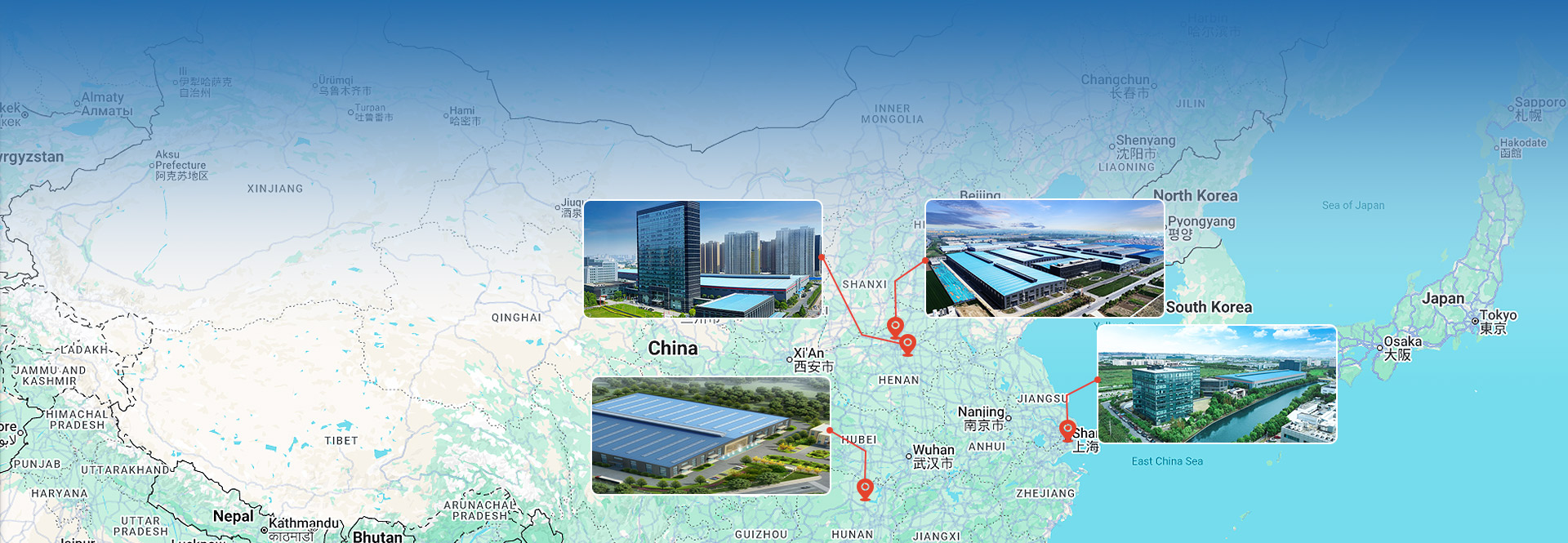
We have successfully facilitated numerous projects in the non-metallic mineral industry. Liming Heavy Industry Co., Ltd., with its headquarters in the HI-TECH Industrial Development Zone of Zhengzhou, operates two production bases covering a combined 147,000 m². Our products are exported globally, and we are renowned for our domestic and overseas marketing network, providing OEM, after-sale service, and spare parts support. By choosing our energy-efficient mills, customers not only purchase a machine but also gain a partner committed to their energy savings goals. Our stringent scientific research tackling and technological progress ensures that every mill shipped is a benchmark of performance.
Case Scenarios: Optimizing Gypsum Grinding Projects
Consider a cement plant that requires desulfurization gypsum power as a retarder. They need a stable supply of calcium sulfate powder (CaSO4·2H2O). A large plant might require 20 tons per hour. In this scenario, the LM Vertical Mill is ideal. Its heat generation from grinding is used to reduce the surface moisture of the gypsum, which often cannot be achieved effectively in other styles of mills. Alternatively, for a dedicated gypsum board manufacturer requiring higher specific surface areas and narrow particle distributions, tuning the classifier speed and the high-pressure air blowers with variable speed drives on the MTW mill provides the necessary precision. Both mills work on the ‘Principle of Bed Grinding’ which is the foundation of LowEnergyConsumption.
From a cost-saving perspective, the elimination of auxiliary equipment such as bucket elevators (in certain fully integrated configurations), magnetic separators, and pre-dryers, reduces the initial capital expenditure. The mill’s sealing system minimizes air leakage, reducing the load on the dust collector fan. Collecting 100% of the product through high-efficiency cyclones ensures that even the finest aerodynamic particles, like those from coal or limestone pre-processing, are captured safely. In gypsum processing, quality control is king, and achieving this without excessive process energy is the hallmark of the Liming solution.
Conclusion
In conclusion, rising energy costs depict a grim scenario for those relying on outdated grinding technology. However, Liming Heavy Industry provides a proactive solution. With strategic innovations like the LM Vertical Roller Mill and the MTW European Type Trapezium Mill, we set a new standard for high efficiency and cost-saving gypsum processing. Our commitment to scientific research and development has yielded machines that guarantee significant halvings in power consumption when compared to older ball mills, ensuring swift payback on investment. Choose Liming for your grinding needs and lead the industry in performance and sustainability.
= = = = = = = = = = = = = = = = = = = = = = = = = = = = = = = = = = = = = = = = = = = = = = = = = = = = = = = = = = = = = = = = = = = = = = = = = = = = = = = = = = = = = = = = = = = = = = = = = = = = = = = = = = = = = = = = = = = = = = = = = = = = = = = = = = = = = = = = = = = = = = = = = = = = = = = = = = = = = = = = = = = = = =
FAQ: Low Energy Consumption Gypsum Mill
Q1: Can the LM Vertical Roller Mill handle synthetic gypsum with high moisture content?
A1: Yes, the LM series integrates drying and grinding. We utilize concentrated hot air or exhaust gases from the kiln to dry synthetic gypsum (often containing 10-15% free moisture) simultaneously with the grinding process. This ‘flash drying’ capability ensures high efficiency and prevents material build-up on the grinding table without requiring a separate external dryer.
Q2: What is the actual energy saving compared to a traditional ball mill?
A2: Our grinding mechanism based on a material bed principle typically reduces specific energy consumption by 30% to 40%. For example, grinding gypsum to a fineness of 200 mesh, the MTW mill might consume around 16-18 kWh per ton, whereas a ball mill would require 25-30 kWh per ton for similar throughput, making the switch a significant cost-saving decision.
Q3: Is the fineness adjustment process complex and does it affect energy consumption?
A3: Not at all. Fineness is adjusted by changing the rotational speed of the built-in high-efficiency classifier (separator). This is done via a variable frequency drive (VFD) from the PLC control panel. Optimizing the separator speed ensures no over-grinding of the material, which is a direct factor in reducing power consumption. Operators can precisely adjust the gypsum powder fineness from 80 to 600 mesh (for MTW) or even higher without interrupting the operation.
Q4: What maintenance aspects ensure the mill retains its low energy consumption status?
A4: Regular inspection and maintenance of the sealing system are crucial. A leaky mill enables false air to enter, reducing the air flow efficiency and increasing the fan motor load. Additionally, check the condition of the rollers and liner wear. Using Liming’s original high manganese steel or chrome alloy spare parts ensures the grinding profile remains intact, maintaining optimal contact pressure and preventing energy loss due to slippage. We recommend scheduling lubricant oil changes in the gearbox according to the prescribed schedule. Our Liming spare parts team supports these needs globally.