


200 Mesh Coal Mill for Thermal Power Plant: Efficient Pulverizing Solution
The efficient operation of a thermal power plant is critically dependent on the quality of coal preparation. The pulverization of coal to a specific fineness, typically around 200 mesh (75 microns), is a fundamental process that directly impacts combustion efficiency, emissions control, and overall plant economy. Achieving this optimal particle size distribution requires robust, reliable, and technologically advanced milling equipment.
In modern power generation, the coal mill is not merely a grinder; it is an integrated system responsible for drying, grinding, classifying, and transporting pulverized coal to the burners. The choice of the right mill technology is paramount for handling varying coal qualities, from high-moisture lignite to hard anthracite, while ensuring stable boiler operation and meeting stringent environmental standards.
Key Requirements for Coal Pulverizing in Power Plants
The primary goal is to produce a consistent stream of pulverized coal with over 70-80% passing through a 200-mesh sieve. This fineness ensures rapid and complete combustion, maximizing heat release and minimizing unburned carbon in ash. Key operational requirements include:
- High Grinding Efficiency & Low Energy Consumption: Milling is a significant consumer of auxiliary power. Advanced mills with improved grinding mechanisms and reduced internal pressure drop are essential for lowering operational costs.
- Reliability & Availability: Power plants operate continuously. Mill designs must offer high operational availability, easy maintenance, and wear-part durability to avoid unscheduled outages.
- Flexibility in Feedstock: Mills must adapt to fluctuations in coal hardness, moisture content, and feed size without compromising output quality or stability.
- Integrated Drying Capability: The ability to use hot air from the boiler’s air preheater to dry high-moisture coal within the mill is a critical function, eliminating the need for separate drying systems.
- Precise Particle Size Control: An efficient internal or external classifier is vital to separate and return coarse particles for regrinding, ensuring the final product meets the precise 200-mesh specification.
- Safety & Environmental Compliance: The system must be designed to prevent coal dust explosions and integrate seamlessly with modern flue gas desulfurization (FGD) processes, where finely ground limestone may also be required.
Advanced Milling Technologies for Optimal Performance
Several mill types are employed in the industry, each with its advantages. The evolution from traditional ball mills to more efficient vertical roller mills and advanced Raymond-type mills represents a leap in technology focused on energy savings and process control.
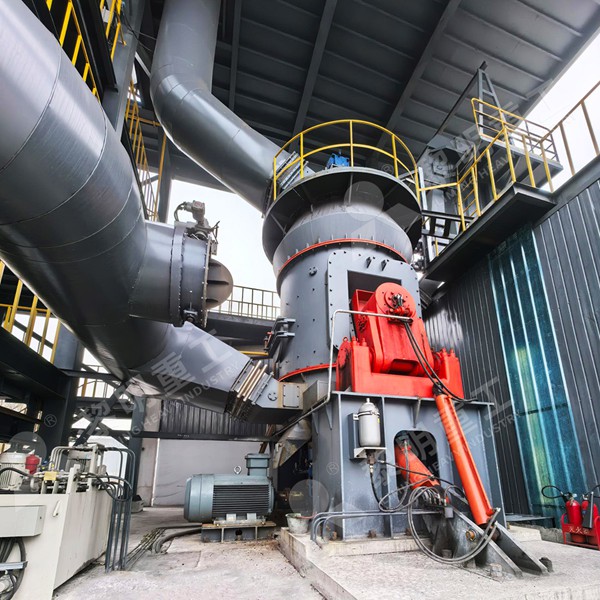
Vertical Roller Mills (VRM) have become a preferred choice for large-capacity units. Their principle involves grinding the coal between a rotating table and rollers under hydraulic pressure. The ground material is simultaneously dried by hot gases and transported to a classifier. VRMs offer significant advantages in power consumption (up to 30% lower than ball mills), better drying capacity, and a more compact footprint.
For applications requiring high flexibility and proven reliability, modernized versions of the Raymond Mill (or pendulum roller mill) remain highly relevant. These mills are particularly well-suited for mid-sized power units or for grinding auxiliary materials like limestone for in-furnace desulfurization. Their strength lies in a simple yet robust mechanical design, ease of maintenance, and excellent fineness control.
Liming Heavy Industry: Your Partner in Power Generation Grinding Solutions
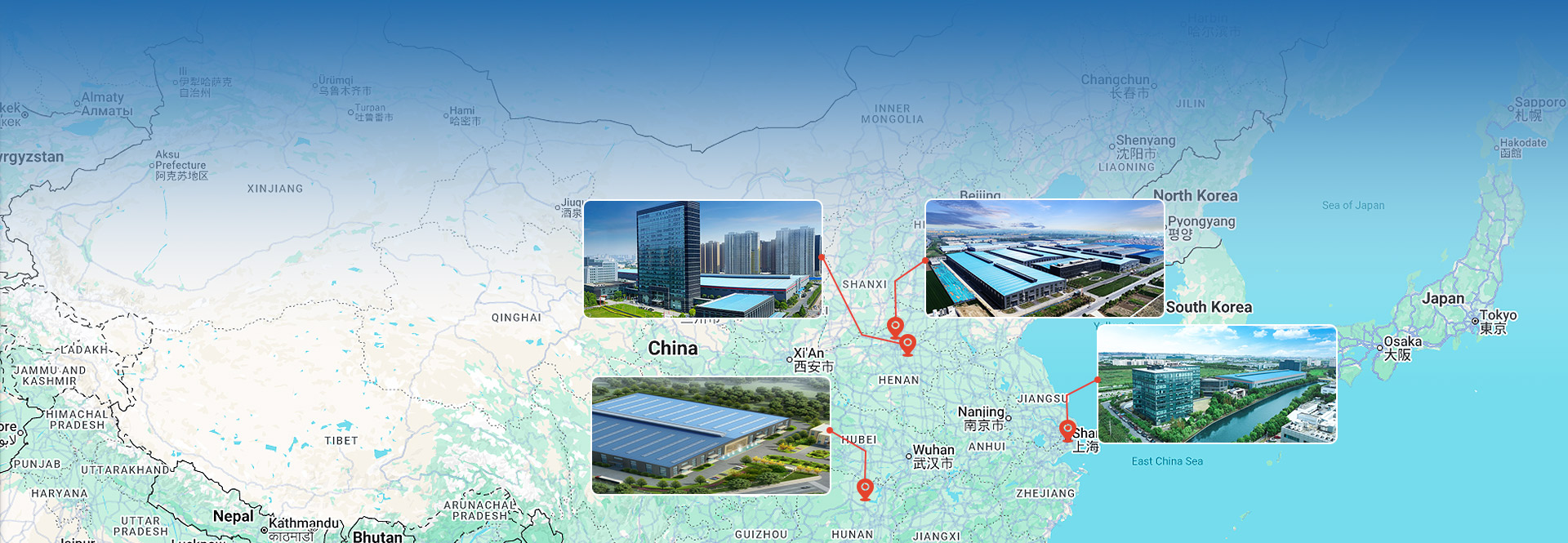
With over three decades of experience in manufacturing heavy industrial grinding equipment, Liming Heavy Industry Co., Ltd. stands as a reliable partner for the global power sector. Founded in 1987, our company combines modern R&D, precision manufacturing, and a commitment to technological innovation to provide cutting-edge solutions. Our products are engineered to enhance the competitiveness of our clients by improving efficiency, reliability, and environmental performance.
For thermal power plants seeking an efficient and versatile pulverizing solution, we highly recommend our MTW European Type Grinding Mill. This mill represents a significant technological upgrade over traditional designs. It incorporates patented technologies such as a curved air duct, internal efficient powder concentrator, and bevel gear overall transmission. These features result in higher productivity, lower energy consumption per ton of coal processed, and more stable operation. The MTW mill is an excellent choice for achieving the precise 200-mesh fineness for coal, and it is equally capable of producing the fine limestone powder required for power plant desulfurization systems, making it a dual-purpose asset for modern, environmentally compliant plants.
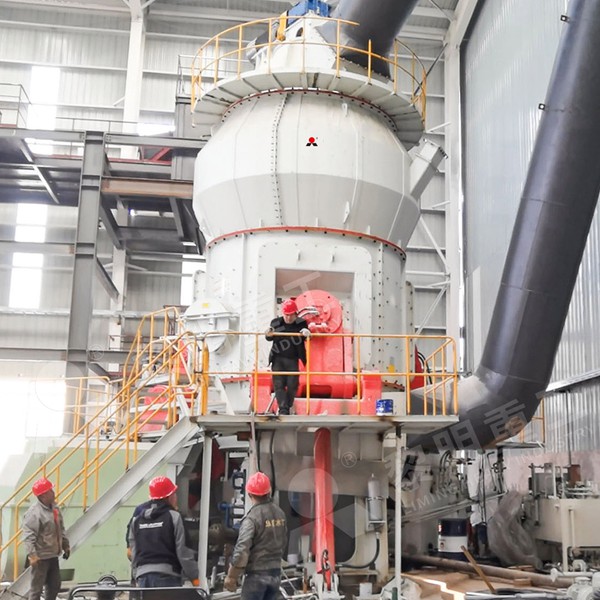
Furthermore, for projects requiring ultra-fine pulverization or processing of very hard coal grades, our LM Vertical Roller Mill offers unparalleled efficiency. Integrating drying, grinding, powder selection, and conveying in a single unit, the LM mill is designed for large-scale production with capacities up to 400 T/H. Its low vibration, high grinding efficiency, and ability to handle high-moisture feed make it an ideal centerpiece for major power generation facilities focused on maximizing throughput and minimizing operational costs.
Conclusion
Selecting the right 200-mesh coal mill is a strategic decision that affects the long-term economic and environmental performance of a thermal power plant. The move towards more efficient, intelligent, and multi-functional grinding systems is clear. By partnering with experienced manufacturers like Liming Heavy Industry and leveraging advanced technologies such as the MTW European Type Grinding Mill or the LM Vertical Roller Mill, power plant operators can ensure a stable supply of optimally pulverized fuel, leading to enhanced combustion, reduced emissions, and a stronger bottom line.
FAQ (Часто задаваемые вопросы)
- Почему именно тонкость помола 200 меш является критически важной для угольных электростанций?
Тонкость 200 меш (около 75 микрон) обеспечивает оптимальную площадь поверхности частиц угля для быстрого и полного сгорания в котле. Это максимизирует тепловыделение, минимизирует потери от механического недожога и способствует снижению выбросов. Более грубый помол приводит к неэффективному сгоранию, а более тонкий — к чрезмерному расходу энергии на измельчение. - Каковы основные преимущества вертикальной валковой мельницы (VRM) по сравнению с традиционной шаровой мельницей для помола угля?
VRM потребляет на 20-30% меньше электроэнергии, имеет более высокую сушильную способность (может работать с углем с влажностью до 20%), занимает меньшую площадь, обеспечивает более быстрое изменение тонкости продукта и работает с меньшим уровнем шума. Шаровая мельница, хотя и надежна, менее энергоэффективна и имеет большие габариты. - Как оборудование Liming Heavy Industry обеспечивает экологическую безопасность процесса помола?
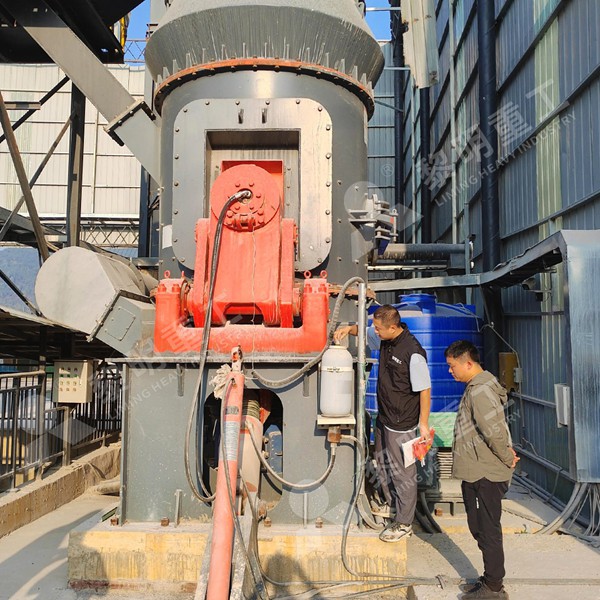
Наши мельницы, такие как MTW и LM, проектируются как закрытые системы с циркуляцией воздуха. Они в стандартной комплектации оснащаются высокоэффективными импульсными рукавными фильтрами, которые улавливают более 99.9% угольной пыли, полностью соответствуя строгим экологическим нормам. Кроме того, их высокая эффективность напрямую снижает общее потребление энергии станции. - Может ли одна мельница использоваться для помола и угля, и известняка для системы десульфуризации (FGD)?
Да, современные универсальные мельницы, такие как MTW European Type Grinding Mill от Liming Heavy Industry, специально разработаны для такой двойной функции. Они позволяют перерабатывать как топливный уголь до 200 меш, так и известняк для получения тонкого порошка, необходимого в процессах мокрой или полусухой десульфуризации дымовых газов. Это повышает гибкость и рентабельность оборудования на электростанции.