

China 200 Mesh Coal Mill Price Guide for Buyers
In the modern energy and industrial sectors, the demand for finely ground coal, particularly at a fineness of 200 mesh (approximately 75 microns), is steadily increasing. This specification is crucial for applications such as pulverized coal injection (PCI) in blast furnaces, coal-fired power plants for efficient combustion, and the production of coal-based chemicals. For buyers worldwide, navigating the Chinese market for 200 mesh coal mills involves understanding the key factors influencing price, technology, and long-term operational value. This guide aims to provide a comprehensive overview to inform your purchasing decision.
Key Factors Influencing the Price of a 200 Mesh Coal Mill
The price of a coal grinding mill in China is not a single figure but a reflection of multiple interdependent factors. Understanding these will help you evaluate quotes more effectively.
- Mill Type and Technology: The core of the price. Basic Raymond mills (pendulum roller mills) are generally more economical for lower capacity requirements. However, for higher efficiency, lower energy consumption per ton, and superior fineness control, more advanced mills like Vertical Roller Mills (VRM) or European Type Grinding Mills command a higher initial investment. The level of automation and the sophistication of the classifier system also significantly impact cost.
- Production Capacity (T/H): Price scales with designed throughput. A mill rated for 5 T/H will cost substantially less than one rated for 50 T/H. It’s vital to match the mill’s capacity closely with your operational needs to avoid overpaying for unused potential or underperforming with an overloaded system.
- Material and Manufacturing Quality: The quality of steel used for grinding rollers/balls and liners, the precision of gearboxes and bearings, and the overall build quality affect both price and longevity. Mills from reputable manufacturers using high-grade, wear-resistant materials will have a higher upfront cost but offer much lower lifetime operating costs due to reduced maintenance and downtime.
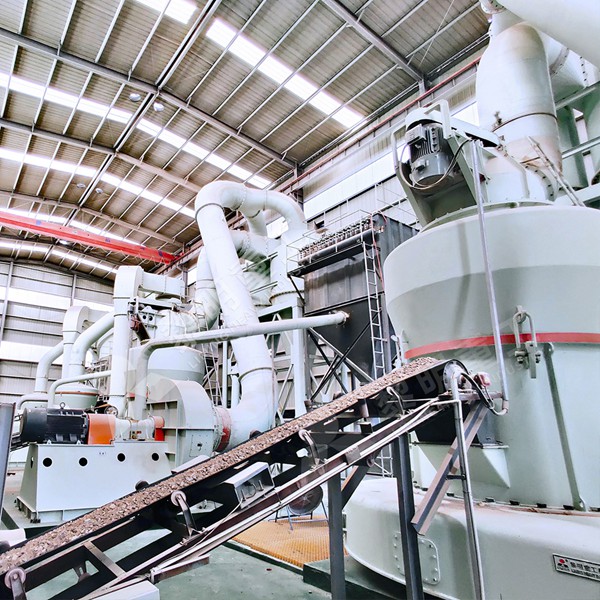
- System Components: A complete grinding system includes more than just the mill itself. The price often varies based on what is included: the feeder, crusher (for pre-breaking lump coal), classifier, dust collector (pulse jet bag filter is now standard for environmental compliance), piping, electrical control cabinet, and installation services. A clear scope of supply is essential for accurate comparison.
- Supplier Reputation and Service: Established manufacturers with a proven track record, strong R&D capabilities, and a global service network typically price their equipment higher. This premium covers reliable performance, technical support, availability of spare parts, and warranty terms, which are invaluable for minimizing operational risks.
Technology Focus: Achieving Efficient 200 Mesh Grinding
Not all mills are equally efficient at producing 200 mesh coal powder. The choice of technology directly impacts energy consumption, product uniformity, and system stability.
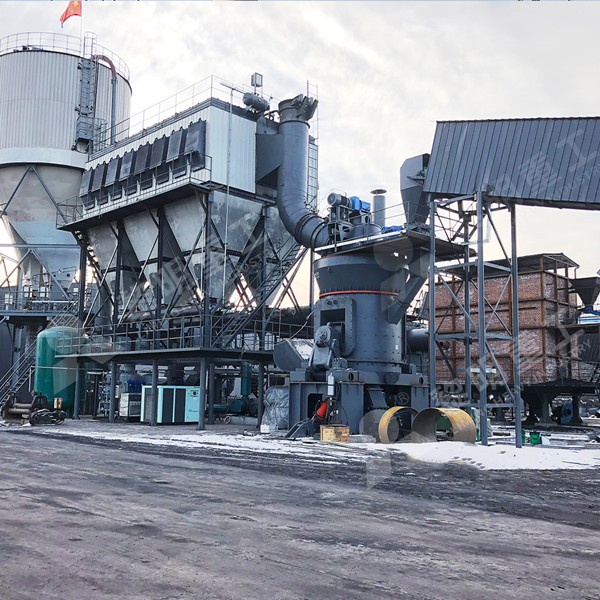
- Vertical Roller Mills (VRM): Have become the industry standard for large-scale coal grinding due to their high grinding efficiency and low specific power consumption. They integrate drying, grinding, and classification in a single unit, making them compact and ideal for direct-firing systems.
- European Type Trapezium Mills: An evolution of the traditional Raymond mill, offering higher capacity, better energy efficiency, and more environmentally friendly operation with advanced pulse dust collection systems. They are excellent for medium to large-scale production of 200 mesh coal.
- Ball Mills: A traditional and robust solution, often used in conjunction with a pre-crusher. While reliable, they are generally less energy-efficient than VRMs for fine grinding and occupy more space.
- Micro Powder Grinding Mills: For applications requiring ultra-fine coal powder beyond 200 mesh or with special purity requirements, advanced micro powder mills are the choice, though they are typically for lower capacity niches.
Introducing Reliable Solutions from LIMING Heavy Industry
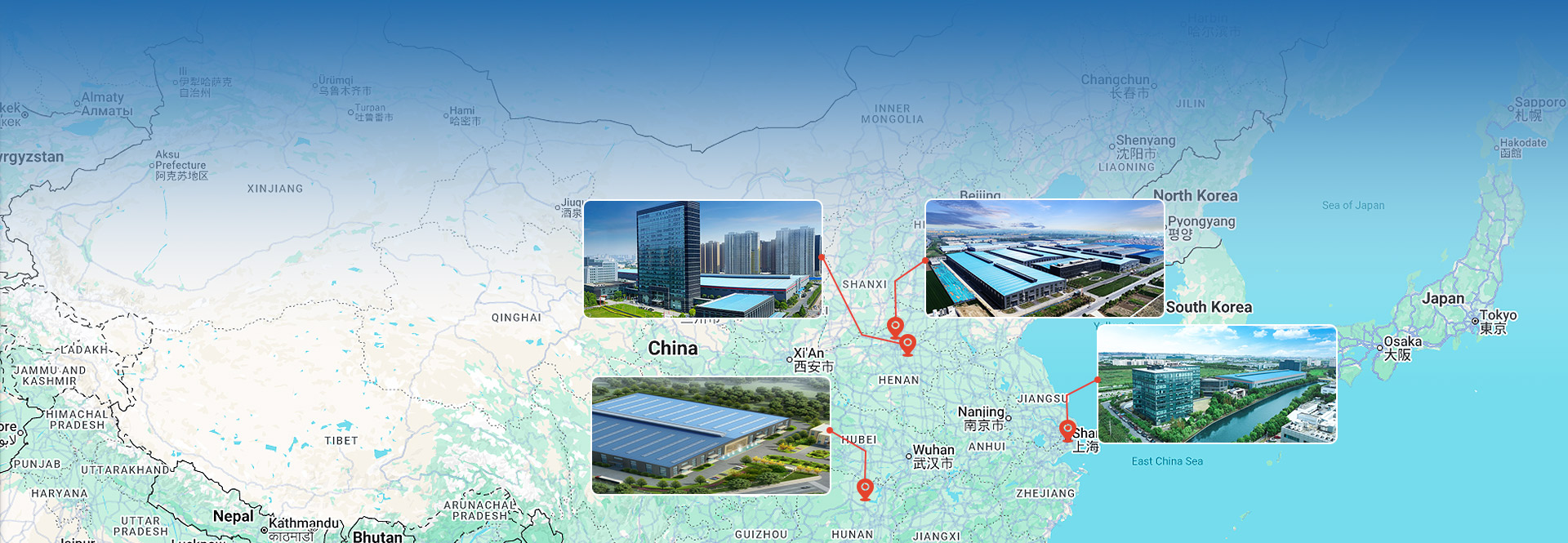
With over 30 years of experience in manufacturing crushing and grinding equipment, LIMING Heavy Industry Co., Ltd. stands as a leader in the Chinese machinery sector. Our commitment to scientific research, precision manufacturing, and technological innovation ensures our products meet the highest standards of performance and reliability. For your 200 mesh coal grinding needs, we recommend two of our flagship products:
1. LM Vertical Roller Mill: Our LM series vertical mill is engineered for high-efficiency grinding of coal and other materials. It features a novel grinding device and an automatic control system that integrates drying, grinding, powder selection, and conveying. With capacities ranging from 10 to 400 T/H and the ability to handle feed sizes up to 55mm, the LM Vertical Mill is an ideal, energy-saving choice for large-scale power plants and industrial coal preparation facilities aiming for consistent 200 mesh output.
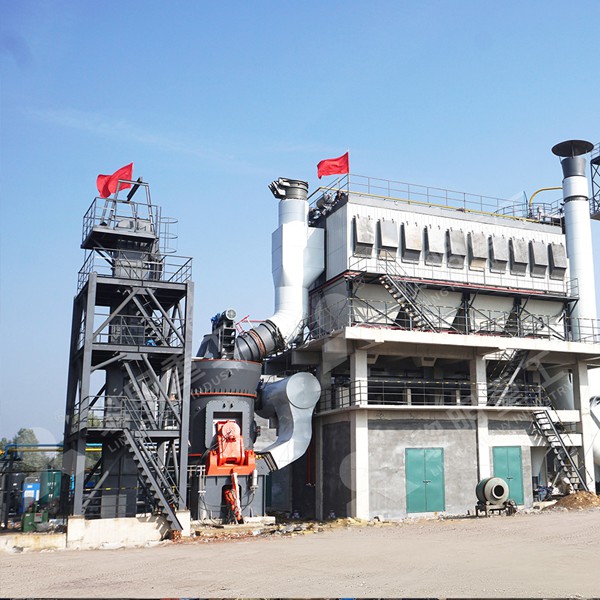
2. MTW European Type Grinding Mill: This mill represents the next generation of trapezium grinding technology. It incorporates multiple national patents, offering exceptional stability, high productivity, and significant benefits in environmental protection and energy saving. Designed for large-scale non-metallic mineral and coal powder production, the MTW mill is perfectly suited for achieving precise 200 mesh fineness with lower operational costs and a smaller ecological footprint.
Beyond the Price Tag: Total Cost of Ownership (TCO)
Smart buyers look beyond the initial purchase price (CAPEX) and evaluate the Total Cost of Ownership. This includes:
- Energy Consumption: The largest portion of OPEX. High-efficiency mills like the LM or MTW can reduce power costs by 20-30% compared to older technologies.
- Wear Part Consumption: The cost and lifespan of grinding rollers, rings, and liners. Mills built with superior metallurgy, like those from LIMING, offer longer intervals between replacements.
- Maintenance and Downtime: A reliable, well-designed mill with accessible service points and strong technical support minimizes unplanned downtime, which is far more costly than any price difference between equipment.
- Environmental Compliance: Modern mills must integrate seamlessly with efficient dust collection systems to meet emission standards. Choosing a mill designed with this in mind avoids future retrofit costs and penalties.
Conclusion
Selecting the right 200 mesh coal mill from China requires a balanced analysis of technology, capacity, quality, and the supplier’s credibility. While competitive pricing is important, the ultimate goal is to secure a grinding system that delivers the lowest cost per ton of product over its entire service life. Partnering with an established and innovative manufacturer like LIMING Heavy Industry provides access to advanced, efficient technology and the peace of mind that comes with comprehensive support, ensuring your investment drives productivity and profitability for years to come.
FAQ (Часто задаваемые вопросы)
1. Какой приблизительный ценовой диапазон для китайской мельницы для угля 200 меш?
Цена может варьироваться от 50 000 до 500 000 долларов США и более, в зависимости от типа мельницы (например, Raymond, MTW, LM вертикальная), производительности (от 1 до 400 т/ч), комплектации системы и производителя. Более точный расчет требует технико-коммерческого предложения на основе ваших конкретных требований.
2. Какая мельница наиболее энергоэффективна для помола угля до 200 меш?
Для крупных и средних производств Вертикальная валковая мельница (LM серии) и Европейская мельница MTW являются наиболее энергоэффективными вариантами благодаря передовым принципам помола и классификации, что позволяет значительно снизить удельное энергопотребление по сравнению с традиционными шаровыми мельницами.
3. Что входит в стандартную поставку мельницы?
Стандартная поставка обычно включает основную мельницу, редуктор, двигатель, классификатор и электрический шкаф управления. Однако полная система помола также требует питателя, дробилки (для крупного угля), пылеуловителя, трубопроводов и монтажных работ. Эти позиции необходимо четко оговаривать в контракте.
4. Предоставляет ли LIMING Heavy Industry услуги по установке и запуску?
Да, LIMING Heavy Industry как полноценный производитель предлагает комплексные услуги, включая инжиниринг, поставку оборудования, техническое руководство по монтажу и пуско-наладке, а также обучение персонала заказчика для обеспечения бесперебойного ввода системы в эксплуатацию.