


Case Study: Implementation of 200 Mesh Coal Grinding Mills in Industrial Applications
The production of pulverized coal with a fineness of 200 mesh (approximately 75 microns) is a critical process in numerous industrial sectors, including power generation, metallurgy, cement production, and chemical manufacturing. Achieving consistent and efficient grinding to this specification directly impacts combustion efficiency, energy consumption, and overall operational costs. This case study explores the technological requirements, challenges, and optimal solutions for implementing 200-mesh coal grinding systems in industrial settings.
1. Technical Requirements and Challenges of 200 Mesh Coal Grinding
Grinding coal to 200 mesh presents a specific set of technical demands. The primary goal is to achieve a high percentage of particles passing through a 200-mesh sieve, which significantly increases the surface area of the coal, leading to more complete and efficient combustion in pulverized coal-fired boilers. Key challenges include:
- Energy Efficiency: The grinding process is inherently energy-intensive. Selecting equipment with high grinding efficiency and low specific power consumption (kWh/ton) is paramount.
- Wear Resistance: Coal, especially with abrasive impurities, causes severe wear on grinding components like rollers, rings, and liners. Materials and designs must ensure long service life and low maintenance costs.
- System Stability & Automation: Continuous, stable operation with minimal fluctuation in product fineness is required for downstream processes. Modern systems integrate automatic control for feed rate, grinding pressure, and classification.
- Drying Capacity: Raw coal often contains moisture. An effective grinding system must integrate drying functionality using hot air to prevent clogging and ensure smooth powder conveyance.
- Environmental Compliance: The entire process, from feeding to product collection, must be enclosed and equipped with efficient dust collectors to meet stringent environmental standards.
2. Analysis of Grinding Mill Technologies for 200 Mesh Coal
Several types of grinding mills are employed in the industry, each with its advantages for coal pulverization.
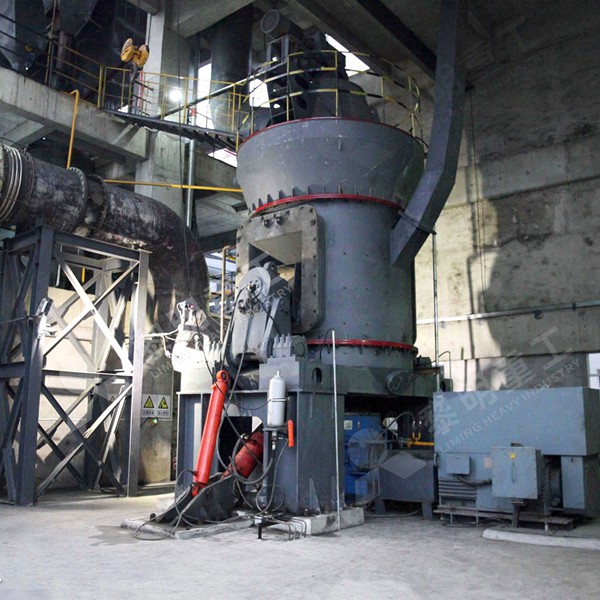
2.1 Vertical Roller Mills (VRM)
VRMs have become the industry standard for large-scale coal grinding in power plants and cement kilns. They integrate grinding, drying, and classification in a single compact unit. Material is ground between a rotating table and conical rollers under hydraulic pressure. The integrated classifier immediately separates fine particles, while coarse material falls back for regrinding. Their high drying capacity (can handle coal with higher moisture using waste heat gases) and lower energy consumption (compared to traditional ball mills) make them highly efficient.
2.2 Raymond Mills (Ring-Roller Mills)
A proven and reliable technology for medium and fine grinding. Material is ground between stationary rings and rotating rollers. The centrifugal force carries the particles to a built-in classifier. Raymond mills are known for their stable operation, relatively simple structure, and ability to produce fineness in the range of 200-325 mesh. They are particularly suitable for medium-scale production capacities.
2.3 European Type Trapezium Grinding Mills
This represents an advanced evolution of the traditional ring-roller mill. It features innovative curved grinding rollers and shovel design, which improves grinding efficiency and material throughput. The bevel gear overall drive and internal curved air duct contribute to lower energy loss and better powder collecting efficiency. It is an excellent choice for producing 200-mesh coal powder with higher productivity and lower noise levels.
2.4 Ball Mills
Traditional ball mills, while reliable, are generally less energy-efficient for fine grinding to 200 mesh compared to vertical roller mills. They operate on the principle of impact and attrition as the grinding media (balls) cascade inside a rotating cylinder. Their energy consumption is higher, and they have limited drying capacity unless paired with an external dryer system. However, they remain in use in some older installations or for specific applications.
3. Recommended Solutions and Product Highlights
Selecting the right equipment is crucial for a successful implementation. Based on the core requirements of efficiency, reliability, and fineness control for 200-mesh coal, we recommend the following solutions from our portfolio:
For large-scale industrial applications requiring high capacity (10-400 T/H), integrated drying, and utmost efficiency, the LM Vertical Roller Mill is the optimal choice. Its design integrates drying, grinding, powder selection, and conveying, making the system layout compact and efficient. The use of hot air from kiln or boiler exhaust gases for drying provides significant energy savings. The grinding roller can be swung out for maintenance, reducing downtime. This mill is the backbone of modern pulverized coal preparation in power and cement industries.
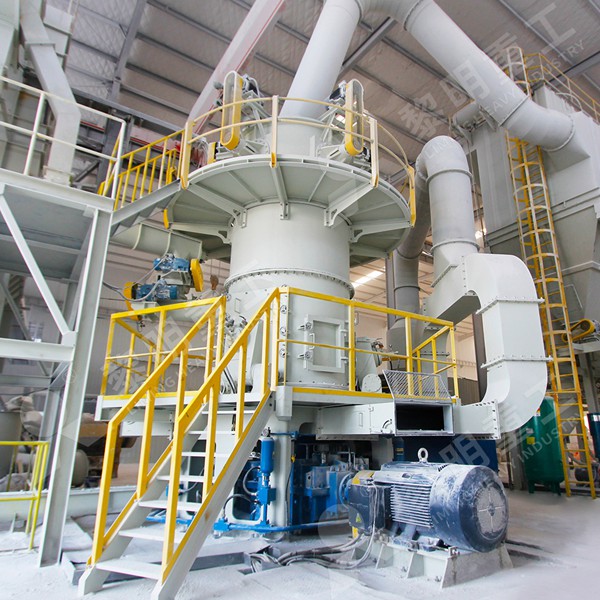
For projects with medium capacity requirements (3-55 TPH) where superior fineness control and system stability are key, the MTW European Type Trapezium Mill stands out. As an upgrade over traditional Raymond mills, it incorporates patented technologies such as the bevel gear integral transmission and internal streamlined air duct. These features result in higher transmission efficiency, smoother operation, and lower energy consumption. Its advanced classifier ensures precise control over the 200-mesh product fineness. It is an ideal solution for dedicated coal grinding plants or industrial boiler retrofits.
4. Implementation Case and Economic Benefits
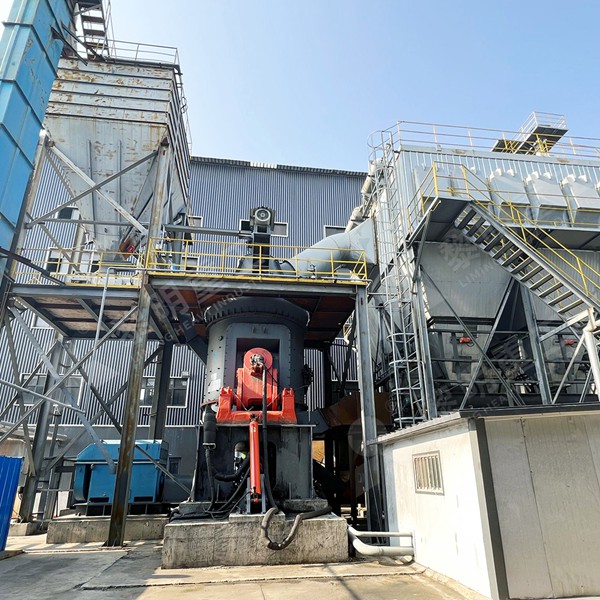
A practical case involved retrofitting a regional thermal power plant’s coal grinding system. The old ball mill system was characterized by high power consumption (over 22 kWh/t), inconsistent fineness (only ~85% passing 200 mesh), and high maintenance frequency. After a technical evaluation, the plant was equipped with an LM190K Vertical Roller Mill from our company.
The results were significant:
- Energy Savings: Specific power consumption dropped to below 18 kWh/t, representing over 18% reduction in grinding energy costs.
- Improved Product Quality: Fineness stability increased, consistently achieving over 95% passing 200 mesh, leading to improved boiler combustion efficiency and reduced unburned carbon.
- Reduced Maintenance: The wear life of grinding components increased by 40%, and the modular design allowed for quicker roller replacement.
- Environmental Impact: The fully enclosed system with a high-efficiency pulse bag dust collector reduced plant dust emissions to well below national standards.
The return on investment was achieved in less than two years through energy and maintenance savings alone.
5. Conclusion
The successful implementation of a 200-mesh coal grinding system hinges on a deep understanding of process requirements and the selection of technologically advanced, efficient, and reliable equipment. Moving from traditional technologies like ball mills to modern vertical roller mills or advanced trapezium mills offers substantial benefits in energy efficiency, product quality control, and operational reliability. As a leader in grinding technology for over three decades, Liming Heavy Industry provides tailored solutions—from the high-capacity LM Vertical Roller Mill to the precision-focused MTW European Trapezium Mill—to meet the diverse needs of the industrial coal grinding sector, ensuring our clients achieve both their performance and economic goals.
FAQ
- Какой тип мельницы наиболее энергоэффективен для помола угля до 200 меш?
Наиболее энергоэффективным решением для крупномасштабного производства является вертикальная валковая мельница (например, LM Vertical Roller Mill). Она интегрирует процессы сушки, помола и сепарации, что значительно снижает удельное энергопотребление (до 20-30% по сравнению с шаровой мельницей) за счет использования горячих газов для сушки и более эффективного принципа помола. - Можно ли использовать одну мельницу для помола угля с разной влажностью и абразивностью?
Да, современные мельницы, такие как LM и MTW, рассчитаны на работу с различным сырьем. Ключевые моменты: вертикальные мельницы обладают высокой сушильной способностью, что позволяет работать с углем повышенной влажности. Для абразивных углей предлагаются решения с усиленными износостойкими материалами для роликов и стола/кольца, что увеличивает межремонтный период. - Как обеспечивается стабильность тонкости помола на уровне 200 меш?
Стабильность обеспечивается двумя основными факторами: 1) Высокоточным сепаратором (классификатором), встроенным в мельницу. Он динамически отделяет частицы требуемой тонкости, а более крупные возвращаются на домол. 2) Автоматической системой управления, которая регулирует подачу угля, давление помола и скорость сепаратора в реальном времени для поддержания заданных параметров продукта. - Каковы экологические преимущества современных систем помола угля?
Современные системы являются полностью закрытыми и работают под отрицательным давлением, что исключает пыление. Они в обязательном порядке комплектуются высокоэффективными рукавными фильтрами (например, импульсными пылеуловителями), которые улавливают более 99.9% пыли. Это позволяет предприятиям соответствовать самым строгим экологическим нормам по выбросам твердых частиц.