



200 Mesh Coal Mill for Metallurgy: Efficient Pulverizing for Steel Production
The modern metallurgical industry, particularly steel production, is an energy-intensive process where coal plays a crucial role, primarily as a fuel for blast furnaces and as a carbon source. The efficiency of combustion and the quality of the final product are directly dependent on the fineness and uniformity of the pulverized coal. Achieving a consistent 200 mesh (approximately 74 microns) particle size is a critical standard for optimal injection into blast furnaces, ensuring complete combustion, maximizing energy release, and minimizing unburnt carbon and emissions. This article delves into the importance, technological requirements, and optimal solutions for coal pulverization to 200 mesh in metallurgical applications.
The Critical Role of 200 Mesh Coal in Steelmaking
In pulverized coal injection (PCI) systems, coal is ground into a fine powder and blown into the blast furnace tuyeres. This technology partially replaces expensive coke, reducing production costs and environmental impact. Coal ground to 200 mesh offers the ideal surface-area-to-volume ratio. Finer particles combust more rapidly and completely within the limited time and space of the raceway inside the furnace. This leads to:
- Higher Combustion Efficiency: Complete combustion maximizes heat generation and reduces fuel consumption per ton of iron.
- Stable Blast Furnace Operation: Uniform particle size prevents erratic combustion, ensuring stable temperature and reducing pressure fluctuations.
- Improved Iron Quality: Consistent and efficient combustion leads to better control over the chemical reduction process.
- Reduced Emissions: Lower levels of unburnt carbon and associated pollutants like CO and particulate matter.
Technical Challenges in Achieving Consistent 200 Mesh Grinding
Grinding coal to a precise and uniform 200 mesh is not a trivial task. It involves overcoming several technical hurdles:
- Material Variability: Coal hardness, moisture content, and volatile matter can vary significantly, affecting grindability.
- Wear and Tear: Coal is abrasive, leading to rapid wear of grinding components, which can cause fineness to drift over time if the mill is not robustly designed.
- Energy Consumption: Fine grinding is energy-intensive. An inefficient mill drastically increases operational costs.
- System Integration: The grinding mill must work seamlessly with drying, classification, and pneumatic conveying systems, especially since coal often requires drying before or during grinding.
- Safety: Coal dust is explosive. The milling system must incorporate inert gas systems or robust design to prevent dust explosions.
Choosing the Right Milling Technology
Several types of grinding equipment can achieve 200 mesh fineness, but their suitability for high-capacity, continuous metallurgical operations varies.
Ball Mills: Traditional and robust, suitable for a wide range of materials. However, for coal grinding, they are generally less energy-efficient compared to newer roller-based technologies, especially for direct drying and grinding systems.
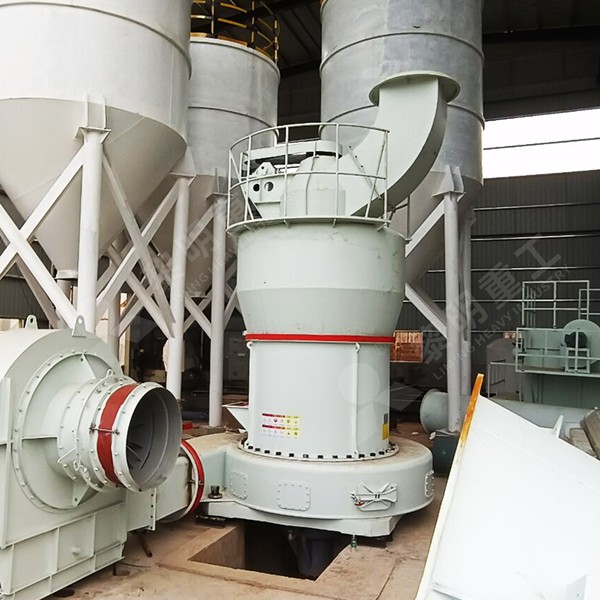
Raymond Mills (Roller Mills): A classic choice for coal grinding. They utilize a rotating central shaft with spring-loaded rollers that crush material against a stationary ring. They are well-suited for producing fineness in the range of 80-325 mesh. For reliable and proven performance in producing 200 mesh coal powder, the Raymond Mill from Liming Heavy Industry is an excellent choice. It is widely used in minerals grinding and pulverized coal preparation, capable of processing non-explosive materials under 7 Mohs hardness. Its stable performance and adaptability make it a solid workhorse for many metallurgical plants.
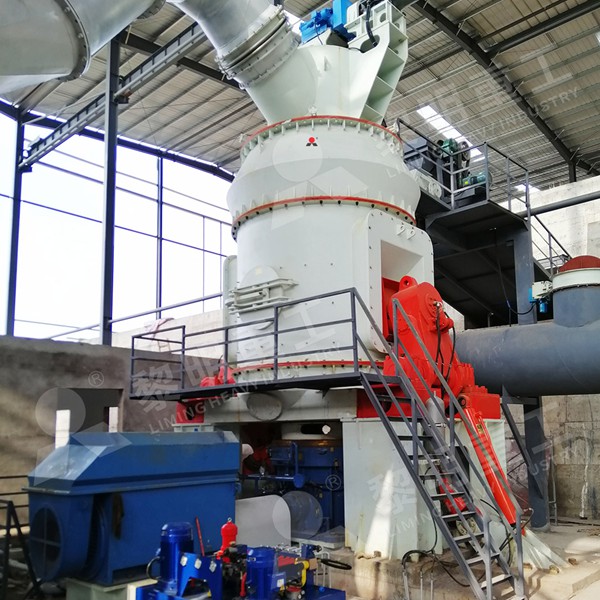
Vertical Roller Mills (VRM): This represents the state-of-the-art for large-scale coal pulverization in power and metallurgy. Material is ground between a rotating table and rollers under hydraulic pressure. The key advantages are superior energy efficiency (30-50% less than ball mills), integrated drying capability with hot gases, excellent particle size control, and lower noise levels.
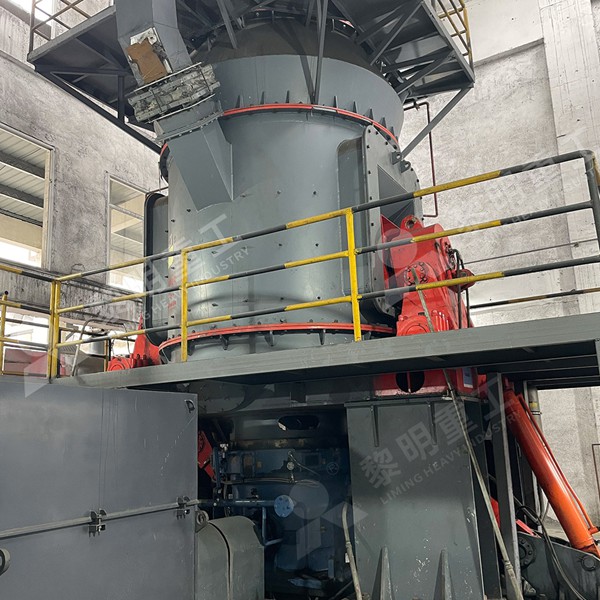
For metallurgical plants seeking the highest efficiency, productivity, and integration for producing 200 mesh coal, the LM Vertical Roller Mill from Liming Heavy Industry is the premier solution. It integrates drying, grinding, powder selection, and conveying in a single unit, perfectly suited for handling coal with varying moisture. With a capacity range of 10-400 T/H, it can meet the demands of the largest steel production facilities, focusing on the non-metallic minerals, coal, and slag sectors—the core of modern heavy industry.
Key Features of an Optimal 200 Mesh Coal Grinding System
A modern system based on advanced mills like the LM Vertical Roller Mill or optimized Raymond Mill should include:
- High-Efficiency Classifier: A dynamic classifier integrated with the mill ensures precise cut-point control, rejecting oversize particles and guaranteeing that the product consistently meets the 200 mesh specification.
- Integrated Drying System: The ability to use hot gas (from kiln or furnace exhaust) within the mill body to dry raw coal with surface moisture, streamlining the process.
- Wear-Resistant Materials: Critical grinding components like rollers/tires and grinding tables/rings should be made from high-chromium alloys or similar wear-resistant materials to extend service life and maintain fineness stability.
- Advanced Control System: Automated control of mill pressure, feed rate, classifier speed, and temperature optimizes performance, maintains fineness, and minimizes operator intervention.
- Robust Safety Systems: Inerting systems, explosion vents, and strict temperature monitoring to mitigate fire and explosion risks associated with coal dust.
Conclusion
Investing in the right coal pulverization technology is a strategic decision for any metallurgical enterprise. Achieving and maintaining a consistent 200 mesh fineness is paramount for optimizing PCI efficiency, reducing coke consumption, lowering operational costs, and meeting environmental standards. While traditional mills like the reliable Raymond Mill remain viable, the future lies in high-efficiency, integrated systems like Vertical Roller Mills.
As a leader in heavy industrial equipment manufacturing for over three decades, Liming Heavy Industry (LIMING HEAVY INDUSTRY CO., LTD.) provides cutting-edge solutions tailored for the metallurgical sector. Our LM Vertical Roller Mill and Raymond Mill are engineered to deliver the precise, efficient, and reliable 200 mesh coal grinding performance required for competitive and sustainable steel production. By adhering to principles of scientific research, precision manufacturing, and technological innovation, Liming ensures its equipment meets the rigorous demands of modern metallurgy, helping producers achieve new heights in efficiency and productivity.
FAQ (Часто задаваемые вопросы)
1. Почему именно 200 mesh является стандартом для вдувания пылеугольного топлива (ПУТ) в доменную печь?
Частицы размером 200 mesh (около 74 микрон) представляют собой оптимальный баланс между площадью поверхности и массой. Такая тонкость обеспечивает достаточно быструю и полную газификацию и сгорание в ограниченном пространстве и времени в заплечике доменной печи, что максимизирует эффективность замены кокса и стабилизирует ход печи.
2. Какие основные факторы влияют на выбор между вертикальной валковой мельницей (LM) и мельницей Раймонда для размола угля?
Выбор зависит от масштаба производства и требований к эффективности. Мельница Раймонда — проверенное, надежное решение для средних объемов. Вертикальная валковая мельница (LM) значительно более энергоэффективна (экономия 30-50%), имеет встроенную сушку и большую единичную производительность, что делает ее предпочтительным выбором для крупных металлургических комбинатов с высокими требованиями к экономии затрат и интеграции процессов.
3. Как обеспечивается стабильность тонкости помола при износе мелющих органов?
В современных мельницах, таких как LM от Liming, используются системы автоматического контроля, регулирующие давление помола и скорость сепаратора. Кроме того, мелющие валки и жернова изготавливаются из высокопрочных износостойких материалов (например, с высоким содержанием хрома), что значительно продлевает их срок службы и сохраняет геометрию помольной зоны, обеспечивая стабильный гранулометрический состав продукта.
4. Какие меры безопасности реализованы в мельницах для размола угля из-за взрывоопасности угольной пыли?
Системы проектируются с учетом взрывозащиты. Ключевые меры включают: использование инертных газов (например, азота) для продувки мельницы и системы транспорта, установку взрывных клапанов (мембран) для сброса давления, строгий контроль температуры на входе (газов для сушки) и внутри мельницы, а также детекторы CO/O2 для раннего предупреждения о возможном тлении.