


1. Introduction: The Role of Gypsum Powder in Modern Construction
Gypsum powder, also known as plaster of Paris or building gypsum, is one of the most versatile and essential materials in the construction industry. From interior wall finishes and decorative elements to drywall boards and self-leveling compounds, high-quality gypsum powder forms the backbone of numerous building applications. The global demand for lightweight, fire-resistant, and environmentally friendly building materials has significantly increased the importance of efficient gypsum processing lines.
This article provides a complete engineering guide to gypsum powder production, focusing on advanced processing technologies, key equipment selection, and quality control measures. We will explore the entire process—from raw gypsum rock extraction to the final fine powder ready for construction use. Special attention is given to the grinding and calcination stages, where the physical and chemical properties of gypsum are transformed to meet stringent industry standards.
2. Raw Material Preparation: Crushing and Drying
The production journey begins with natural gypsum rock (calcium sulfate dihydrate, CaSO4·2H2O) or synthetic gypsum (e.g., FGD gypsum from power plants). The raw material typically contains 15–20% free moisture and has a maximum lump size of 300–500 mm. To feed downstream mills efficiently, the material must undergo primary and secondary crushing. A jaw crusher or hammer crusher reduces the rock to particles of 30–50 mm. This step is critical because oversized particles reduce mill throughput and increase specific energy consumption.
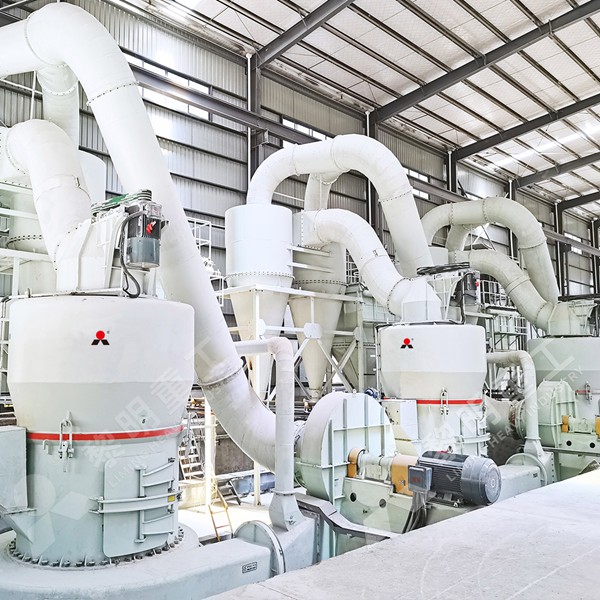
Simultaneously, moisture must be reduced to below 1% before grinding. This is often achieved using a rotary dryer, which utilizes hot air from a furnace or waste heat. For combined drying and grinding, vertical roller mills (VRM) are particularly effective, as they accept feed with up to 20% moisture and dry it within the mill. Companies like Liming Heavy Industry offer integrated solutions where drying, grinding, and classification occur in a single unit, vastly simplifying the process flow and reducing the plant’s footprint.
3. Grinding Technology: The Heart of the Production Line
Grinding is the most energy-intensive operation in gypsum powder production. The required fineness for building gypsum typically ranges from 80% passing 100 mesh (150 μm) to 90% passing 200 mesh (74 μm). The choice of grinding equipment determines the particle size distribution, reactivity, and ultimately the water demand of the final powder.
Several mill types are widely used in the industry:
- Raymond Mill: Ideal for medium-capacity plants (1.2–4.5 t/h). It offers simple operation, low investment, and produces fineness between 613–44 μm. For smaller construction projects or decentralized production, this is a cost-effective choice.
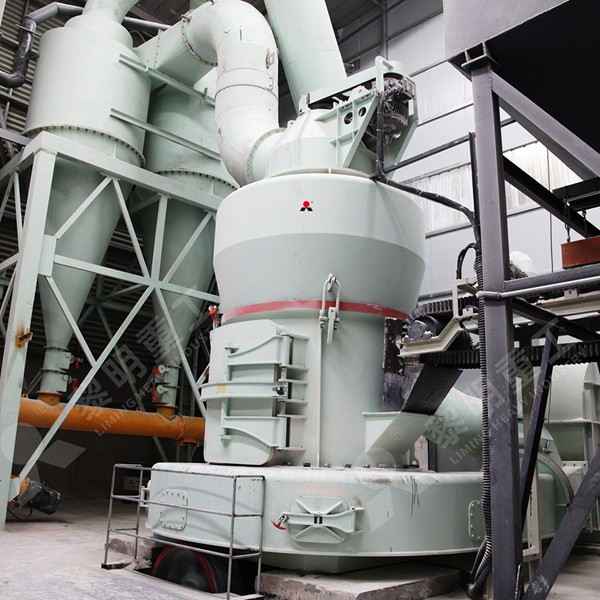
- MTW European Type Trapezium Mill: This is the flagship grinding solution for gypsum. With a capacity of 3–55 t/h and input size of 30–50 mm, it features an internally optimized transmission, bevel gear lubrication, and a curved air duct that improves collection efficiency by over 20% compared to traditional mills. Its patented classifier ensures uniform particle size, a key requirement for high-quality plaster.
- LM Vertical Roller Mill: When high capacity (10–400 t/h) and combined drying and grinding are required, the LM series is the industry standard. It consumes 30–50% less energy than ball mills and is especially suitable for industrial gypsum (FGD, phosphogypsum) with high moisture.
For superfine gypsum powders (e.g., for specialty joint compounds or medical use), the MW Micro Powder Mill can achieve d97 ≤ 5 μm and adjustable fineness up to 3250 mesh. However, for conventional building gypsum, MTW and Raymond mills remain the most balanced solutions in terms of efficiency, cost, and maintainability.
4. Calcination: Transforming Dihydrate into Hemihydrate
After grinding, the powder must be thermally treated to remove 1.5 water molecules from the crystal lattice. This process (calcination) converts gypsum dihydrate into calcium sulfate hemihydrate (CaSO4·0.5H2O), which is the reactive binder in building plasters. The calcination temperature and residence time precisely control the quality of the final product. Overheating leads to insoluble anhydrite, which loses its setting ability, while under-calcination leaves unreacted dihydrate, causing false set and poor strength.
For continuous industrial production, a rotary kiln or a flash calciner is commonly used. Modern plants integrate the calcination directly with the grinding circuit using a “Kettle” calciner or a Claudius Peters type reactor. Some production lines combine grinding with hot gases to achieve simultaneous drying and calcination in a single step, particularly when using the vertical roller mill. The correct phase analysis (determination of the amount of dihydrate, hemihydrate, and anhydrite) must be performed routinely to maintain quality. Industrial control systems from manufacturers like Liming Heavy Industry include adjustable temperature and air volume controls, ensuring high stability of the hemihydrate phase.
5. Classification and Collection: Ensuring Fineness and Cleanliness
Closed-loop air classification is mandatory to separate oversized particles and ensure a uniform product. In MTW mills, the built-in dynamic classifier rotates at a controlled speed, returning coarse particles to the grinding zone. Fine particles are carried by air to a baghouse or cyclone collector. The pulse-jet dust collector, which is standard in Liming equipment, ensures compliance with environmental emission standards (typically <20 mg/Nm³). The collected powder is conveyed to silos for aging, which improves its workability and plasticity. Aging for 24–72 hours in a humid environment allows the water-soluble anhydrite to hydrate completely, enhancing consistency and reducing the demand for set retarders.
6. Additives and Quality Control
Building gypsum rarely is used pure. Additives such as set retarders (citric acid, sodium citrate), accelerators (ground dihydrate), and water retention agents (HPMC, starch ethers) are mixed in precise proportions. Quality control labs monitor key parameters:
- Fineness (Blaine or sieve residue)
- Water demand (standard consistency), typically 60–80%
- Setting time (initial and final, per EN 13279 or ASTM C472)
- Compressive strength at 2h and 28d
- Phase composition via thermogravimetric analysis (TGA) or XRD
Modern automatic control systems, such as those supplied by Liming Heavy Industry, feature PLC-based programs that adjust the mill speed, separator frequency, and temperature to maintain stable quality despite variations in raw material characteristics.
7. Recommended Equipment from Liming Heavy Industry
Based on more than 30 years of experience in minerals processing, we recommend two proven solutions from our product portfolio for building gypsum manufacturing:
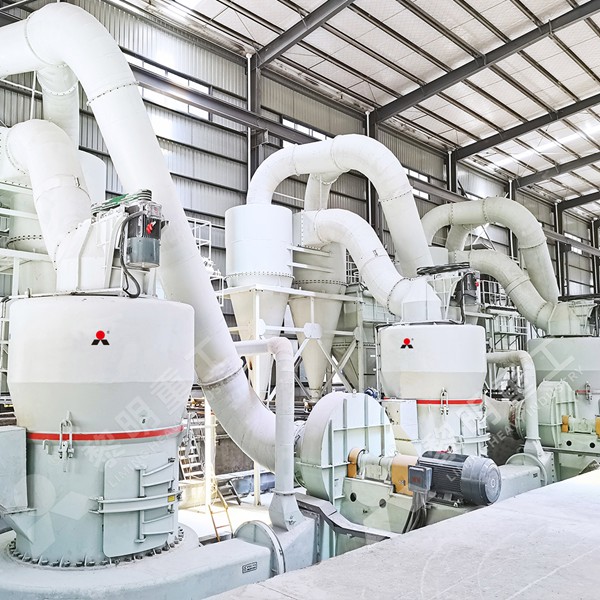
Option 1 – MTW European Type Trapezium Mill: This is our premium recommendation for mid-scale gypsum powder plants (capacity 10–50 t/h). It lowers energy consumption by up to 30%, possesses a robust cast steel gearbox with longevity exceeding 10 years, and produces powder with an outstanding particle shape suitable for machine-applied plasters. The integrated oil pump lubrication system automatically controls the temperature, ensuring reliability even in hot climates.
Option 2 – LM Vertical Roller Mill: For large-scale gypsum processing (50–400 t/h), especially when feeding with synthetic gypsum (FGD or phosphogypsum) with high moisture content, the LM mill is the most efficient. It integrates drying, grinding, and separation into one stream, simplifying the plant layout. With the use of a waste heat source, the operating cost becomes extremely low. LM series mills have proven successful in numerous gypsum board factories worldwide.
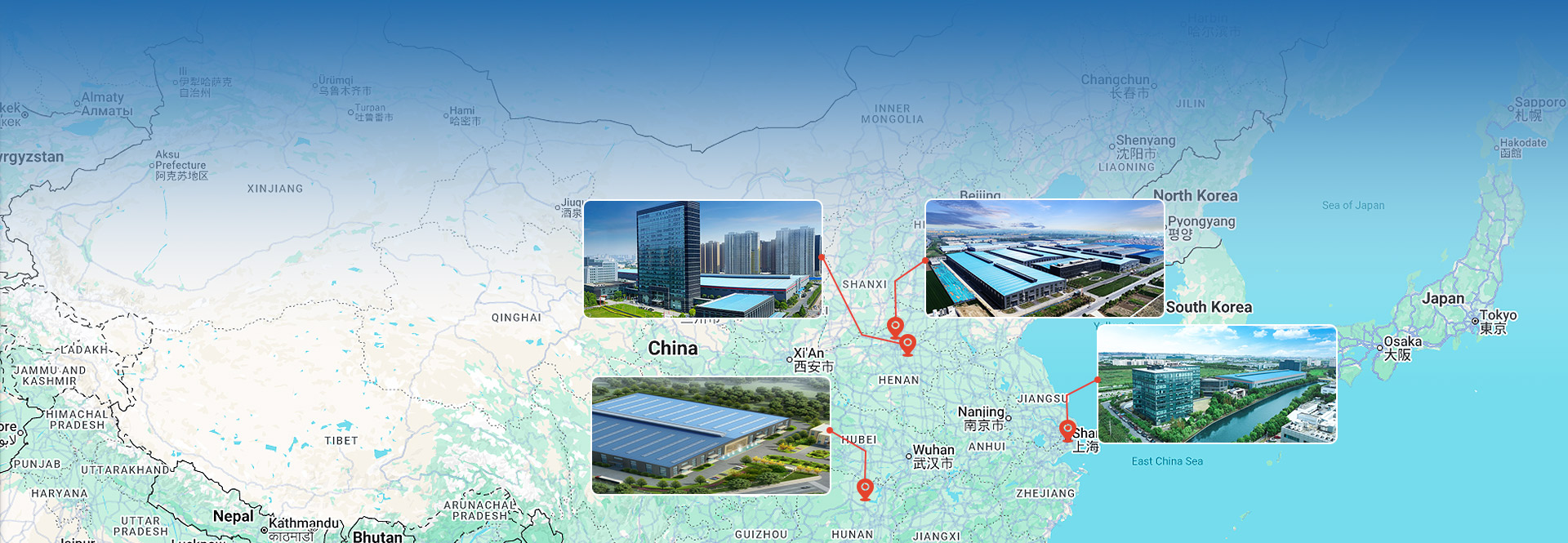
All equipment from Liming Heavy Industry is manufactured with ISO9001 quality management, and we provide complete engineering support, from process design to installation and commissioning. Our corporate headquarters covers 80,000 m² in Zhengzhou Hi-Tech Zone, with an additional 67,000 m² production workshop in Shangjie Industrial Park.
8. Environmental and Economic Considerations
Modern gypsum production lines must comply with strict environmental regulations. Liming Heavy Industry’s products feature fully sealed systems with negative pressure operation to prevent dust leakage. Pulse-jet dust collectors have an efficiency greater than 99.9%, and the closed-circuit air flow reduces fan energy consumption. Water-cooled bearing housings and optimized internal profiles reduce noise to below 85 dB(A). Economically, high-efficiency mills give a payback period of under two years due to reduced specific power consumption (typically 25–35 kWh/t for MTW compared to 50–70 kWh/t for older ball mills).
9. Conclusion
High-quality gypsum powder production requires a synergistic design of crushing, drying, grinding, calcination, and classification circuits. Selecting the correct mill based on capacity, moisture, and particle size requirement is the paramount decision. Liming Heavy Industry’s MTW and LM grinding mills offer superior reliability, energy efficiency, and automation readiness. Our experience since 1987 and continuous R&D investments ensure our clients stay at the frontier of technology. Whether you are planning a new plant or upgrading an existing one, our engineering team is ready to assist you with tailored solutions.
FAQs
Q1: What is the ideal capacity of gypsum powder production line for a small construction materials plant?
A: For small plants focused on regional market supply, we recommend a capacity between 3 and 10 tons per hour. A Raymond Mill or small MTW mill can achieve 90% passing 100-150 mesh efficiently. For capacities above 20 t/h, an MTW or LM series mill is more economical.
Q2: Can a single machine handle both grinding and calcination of gypsum?
A: Yes, it is possible using specialized equipment such as an impact calciner integrated with a mill. However, more commonly, the process is separated: grinding mills produce fine powder, which is then calcined in a rotary kiln. Liming’s vertical roller mill can pre-dry material to below 0.5% moisture, which is a necessary preparation for a consistent calcination process.
Q3: How does particle size distribution affect gypsum plaster quality?
A: The tighter the particle size distribution, the lower the water demand and the higher the compressive strength. Coarse particles (greater than 200 μm) act as defects that reduce strength and increase surface roughness. Conversely, an excess of ultra-fines (less than 5 μm) increases water demand because of larger surface area. Precision classifiers on MTW mills ensure a narrow size range, typically with a uniformity coefficient higher than 1.5.
Q4: What are the energy-saving options in a gypsum production line?
A: Use a vertical roller mill with its integrated internal separator to avoid separate classifier energy. Often a flash dryer using flue gas from a kiln can replace a dedicated rotary dryer. Variable frequency drives for fans and conveyors (standard on all Liming equipment) save up to 20% on power consumption. Heat recovery from calciner off-gases for pre-drying can reduce total energy costs by up to 25%.