


Introduction: The Critical Role of Gypsum Grinding in Soundproofing Board Manufacturing
In the modern construction industry, soundproofing has emerged as a fundamental requirement for residential, commercial, and industrial buildings. High-performance gypsum boards, specifically engineered for acoustic insulation, rely heavily on the quality and fineness of gypsum powder used in their production. The grinding process directly influences the board’s density, mechanical strength, and acoustic absorption properties. At Liming Heavy Industry Co., Ltd., we have dedicated over three decades to perfecting grinding technologies that empower soundproofing board manufacturers to achieve superior product consistency and performance.
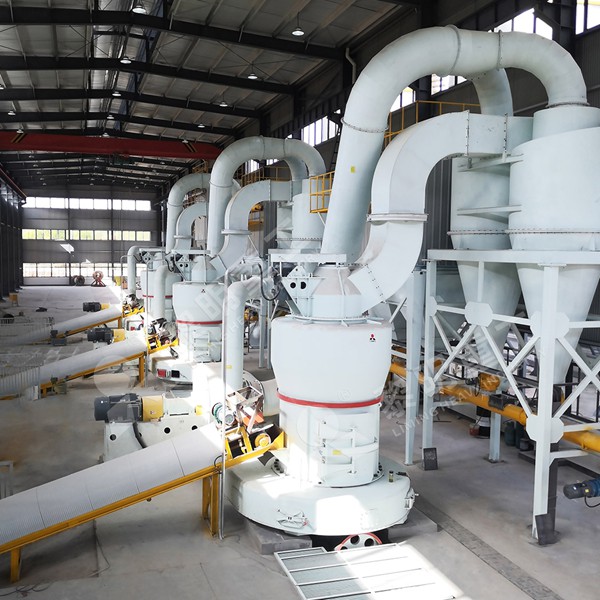
Gypsum, a naturally occurring mineral composed of calcium sulfate dihydrate, must be processed through a series of steps: crushing, grinding, drying, and calcination. Among these, grinding is the most energy-intensive and quality-critical operation. The particle size distribution of gypsum powder affects the water-to-stucco ratio, setting time, and final mechanical properties of the boards. For soundproofing applications, manufacturers require fine, uniformly sized particles that ensure dense packing and enhanced sound transmission loss. This article explores specialized grinding solutions that address these exacting requirements, with a focus on equipment from Liming Heavy Industry.
Understanding Gypsum’s Grinding Challenges in Acoustic Board Applications
Gypsum exhibits unique characteristics that pose challenges during grinding. Its moderate hardness (Mohs scale 2), fibrous crystalline structure, and tendency to cake or agglomerate under heat demand specialized milling systems. Traditional grinding mills often struggle with gypsum’s heat sensitivity, as elevated temperatures can cause premature dehydration of the dihydrate to hemihydrate, altering the chemical composition and adversely affecting board performance. Moreover, acoustic boards require a narrow particle size distribution, typically with 90-95% passing through a 100-mesh screen and a significant fraction below 40 microns for optimal sound absorption. Inefficient grinding leads to broad particle size curves, causing weak board structure and poor acoustic insulation.
Another challenge is the presence of impurities, such as clay, limestone, or anhydrite, which vary with the source of gypsum. Harder impurities increase wear on grinding elements and reduce throughput. Consequently, grinding equipment must be robust, wear-resistant, and adjustable to accommodate different gypsum feedstocks. Liming Heavy Industry has addressed these issues through advanced mill designs that incorporate controlled airflow, internal classification, and high-efficiency grinding mechanisms.
Liming Heavy Industry’s Advanced Grinding Technologies for Gypsum
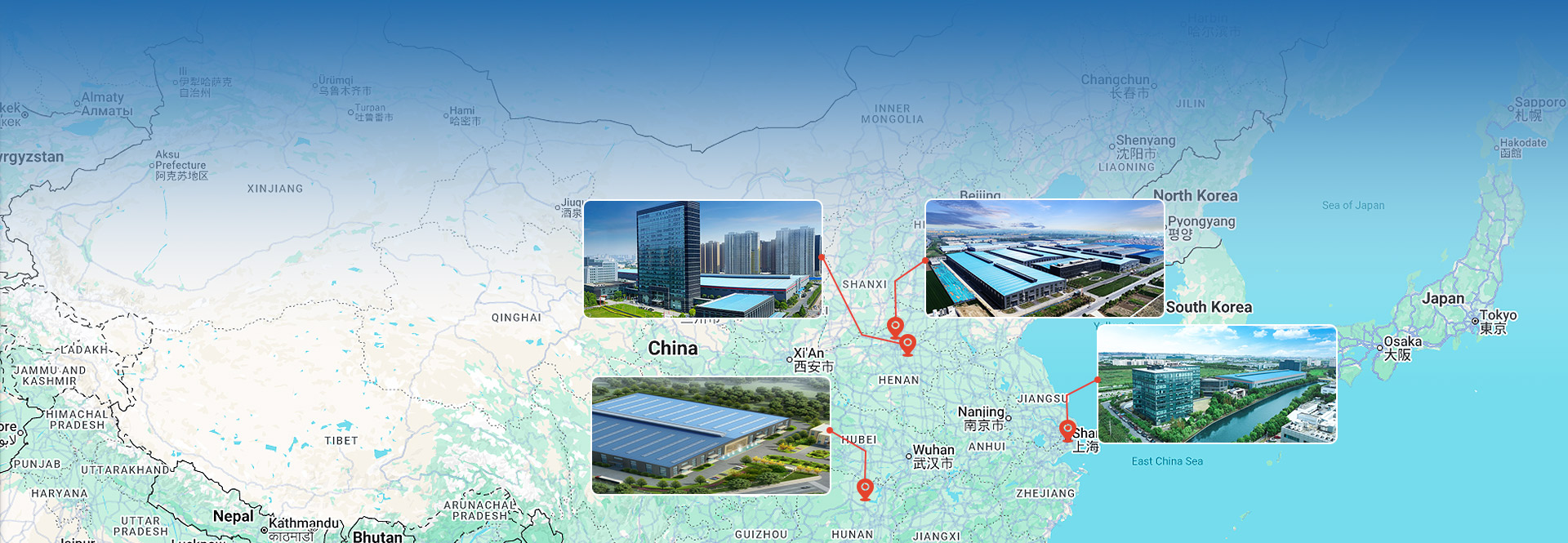
Liming Heavy Industry Co., Ltd., founded in 1987, has established itself as a global leader in crushing and grinding machinery. Our headquarters in Zhengzhou’s HI-TECH Development Zone and a manufacturing base in Shangjie Industry Park span 147,000 square meters, enabling us to produce large-scale equipment with precision. Our comprehensive R&D strategy, which integrates scientific research and market feedback, has yielded four exceptional solutions suitable for gypsum soundproofing board production:
- LM Vertical Roller Mill – An integrated system for drying, grinding, classifying, and conveying, ideal for large-capacity gypsum processing (10-400 t/h).
- MTW European Type Trapezium Mill – The upgraded successor to traditional Raymond mills, perfect for medium-scale grinding (3-55 t/h) with enhanced energy efficiency.
- MW Micro Powder Mill – Specialized for ultra-fine grinding to superfine particles (325-3250 mesh), suited for premium acoustic boards requiring very high fineness.
- Raymond Mill – A classic, reliable option for small to medium capacities (1.2-4.5 t/h) with great flexibility.
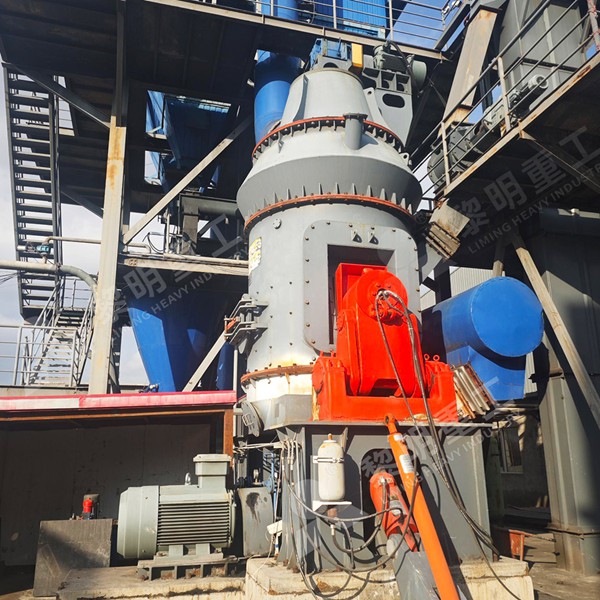
Each of these mills offers distinct advantages for gypsum processing. For manufacturers aiming at high-capacity output (over 10 tons per hour), we recommend our LM Vertical Roller Mill. This mill combines drying and grinding within a single unit, making it especially effective when processing natural gypsum with high moisture content (up to 15%). The integrated classifier ensures precise particle size control, producing a homogeneous powder that is essential for soundproofing boards. The vertical design reduces floor space and energy consumption by 30-40% compared to traditional ball mill systems, while its automatic electric control system minimizes manual intervention and ensures consistent operating parameters. These features directly translate to uniform board quality and enhanced acoustic performance.
For manufacturers requiring moderate capacity but premium fineness, our MTW European Type Trapezium Mill is an outstanding choice. This mill employs a bevel gear drive, which reduces vibration and noise during operation, and its curved shovel blades guide material efficiently to the grinding zone, increasing productivity by 20-30%. The MTW system is equipped with a pulse dust collector, meeting stringent environmental standards—a critical consideration for modern factories. Its working principle involves a closed grinding loop: the air circulation system and dust collector recycle fine powder, while oversized particles return to the mill for another pass. This results in extremely narrow particle size distribution, offering excellent soundproofing properties due to reduced porosity in the final board.
Why Fine Grinding Matters for Soundproofing Performance
The acoustic insulation capability of gypsum boards is closely tied to their density and internal porosity. Sound waves are best attenuated in dense, homogeneous materials with no structural voids. When gypsum powder is ground to a fine and uniform particle size (e.g., d50 = 20-30 microns), the boards produced have higher flexural strength, better nail pull resistance, and a more uniform cell structure after forming. Conversely, coarse or broadly distributed particles cause the formation of large air pockets during plaster hydration, which act as sound bridges and reduce the Sound Transmission Class (STC) rating. Therefore, a high-performance grinding mill with efficient classification is indispensable for manufacturing boards that meet ASTM E90 acoustic standards.
Our MW Micro Powder Mill goes a step further, enabling superfine grinding down to d97 ≤ 5 microns. This level of fineness is particularly beneficial for producing thin, high-density soundproofing layers that can be laminated onto standard boards. The MW mill uses multiple rollers pressing against a grinding ring, exerting a strong centrifugal force that crushes particles into extremely fine sizes. An internal turbo classifier ensures that only particles meeting the maximum size threshold are discharged. This precision empowers manufacturers to customize particle fineness for different soundproofing applications, from wall panels to ceiling tiles.
Power Plant Desulfurization Gypsum: An Ideal Feedstock with Grinding Benefits
A significant source of gypsum for the construction industry is synthetic desulfurization gypsum (FGD gypsum), a byproduct of flue-gas desulfurization in coal-fired power plants. This material has a high moisture content—often 10–15%—and requires drying before grinding. Liming’s LM Vertical Roller Mill is exceptionally well-suited here, as it performs simultaneous drying and grinding. Hot air entering the milling chamber evaporates moisture while the material is ground and classified. This dual functionality reduces capital costs, energy use, and operational complexity. For soundproofing board production, using FGD gypsum offers a low-cost raw material without compromising quality if processed correctly. Our mills ensure that even moist FGD gypsum is converted into a dry, free-flowing powder with optimal fineness.
Additionally, the closed-loop and dust collection systems in all our mills comply with EPA and EU emission directives, protecting worker health and the environment. We offer complete grinding systems, including jaw crushers, vibrating feeders, hoppers, elevators, and electric control panels, ensuring a turnkey solution from raw gypsum feed to ready-to-use powder.
Selecting the Right Grinding Solution for Your Soundproofing Board Line
Choosing the correct mill is a decision that impacts product quality, energy consumption, and profitability. Below is a practical comparison table to guide your selection:
| Mill Type | Capacity (t/h) | Best for | Product Fineness |
|---|---|---|---|
| LM Vertical Roller Mill | 10-400 | Large-scale industrial lines | 80-200 mesh (adjustable) |
| MTW Trapezium Mill | 3-55 | Medium production with tight fineness control | 325-1250 mesh (adjustable) |
| MW Micro Powder Mill | 0.5-25 | Ultra-fine grinding for premium acoustic boards | 325-3250 mesh |
| Raymond Mill | 1.2-4.5 | Small-scale production or pilot plants | 80-325 mesh |
For a complete acoustic gypsum board factory aiming at output beyond 20 tons per hour, we strongly recommend integrating an LM Vertical Roller Mill with a pre-crushing jaw crusher and a pulse-jet dust collector. This setup offers a high degree of automation, remote monitoring capabilities, and lower maintenance due to fewer moving parts in direct contact with abrasive gypsum. Alternatively, if your facility already operates a Raymond mill but requires finer product and higher efficiency, upgrading to the MTW series will deliver immediate benefits in terms of lower energy consumption and a more stable powder particle curve.
Technical Advantages That Set Liming Mills Apart
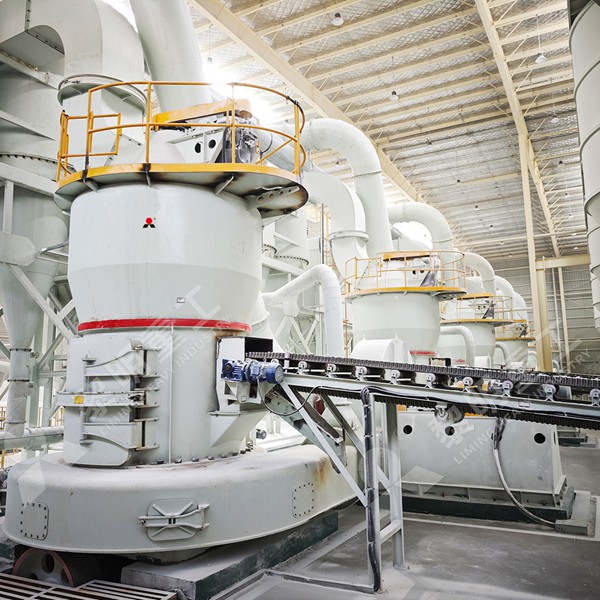
Our mills are engineered with several patented innovations that directly enhance gypsum grinding.
- Advanced Mill Device: For the LM mill, we have developed a dynamic single-rotation separator that allows precise adjustment of rotor speed to achieve the desired fineness. The grinding rollers and table are made of high-chromium alloy, extending their service life to 6,000-8,000 hours even with abrasive gypsum.
- Energy Efficiency: All our grinding mills use a configuration that optimizes material flow and creates a dense grinding bed, reducing the specific electrical energy consumption by up to 40% compared to ball mills. This results in lower operating costs and a smaller carbon footprint, factors increasingly important in sustainability-focused projects.
- Drying and Grinding Integration: The LM and MTW mills can introduce hot gas directly into the mill body, enabling the processing of gypsum with high surface moisture. Our research shows that for FGD gypsum with 12% moisture, the LM mill achieves a product moisture below 0.5% without any additional flash dryer.
- Environmental Compliance: Each system is equipped with a bag or pulse-jet dust collector, and the grinding circuit operates under negative pressure to prevent dust leakage. Noise levels are controlled through laminated steel housings, making the equipment safe and easier to operate in urban environments.
We also offer comprehensive after-sales support, including spare parts availability, remote diagnostics, and on-site commissioning. Our engineering team in Zhengzhou can perform sample grinding tests on your gypsum and provide a certified particle size analysis to confirm the mill’s performance before you make a purchase decision.
Ensuring Product Consistency Through Quality Control
Soundproofing boards are subject to rigorous quality testing, requiring each batch to meet strict tolerances in thickness, density, and acoustic absorption. Liming mills are designed with automation features that enable constant monitoring of feed rate, motor amperage, and classifier speed. Through a PLC system, you can program specific presets for different gypsum types or required fineness. Alarms trigger if abnormal conditions such as overloading or high temperature are detected, preventing product damage. This level of control ensures that the gypsum powder you feed to your board line has consistent quality, leading to fewer rejections and higher customer satisfaction.
Our R&D team continuously develops new grinding strategies for emerging applications, such as boards with enhanced fire resistance or those using recycled gypsum. We collaborate with industry groups and research institutions to remain at the forefront of both manufacturing technology and materials science. This is why over 30 years, Liming Heavy Industry has maintained leadership in the crushing and grinding equipment sector, with installations in over 180 countries.
Case Study: A Successful Integration for Acoustic Wallboard
Consider a European acoustic panel manufacturer that processed 15 tons of natural gypsum per day using a traditional ball mill. Their product had a broad particle size distribution, resulting in frequent board blistering defects and an STC rating of only 35. After replacing their mill with a single MTW175 European Type Trapezium Mill, they achieved a throughput of 12 tons per hour with unscheduled downtime reduced to near zero. The fineness index (measured by +0.045mm residue) dropped from 12% to 3%, and the resulting boards exhibited a uniform microstructure, boosting the STC rating to 48 and significantly reducing their factory reject rate. The investment returned within 18 months through energy savings and reduced raw material wastage.
This demonstrates that modernizing your grinding solution can have an immediate and measurable impact on soundproofing board quality and the profitability of your manufacturing operation.
Why Liming Heavy Industry is Your Trusted Partner
Established in 1987, Liming Heavy Industry Co., Ltd. has grown from a small mechanical workshop to an enterprise with a comprehensive research, manufacturing, and sales network. Our ISO 9001 certified production processes, combined with an annual output of over 10,000 grinding and crushing machines, ensure that we meet global demand without compromising on quality. We pride ourselves on our people—over 1,200 employees including more than 180 professional engineers who guide product development from concept to field-testing.
Investing in a Liming gypsum grinding solution isn’t just about acquiring a mill. It’s about partnering with a company that understands your industry. We provide feasibility studies, process design, civil engineering support, installation supervision, and training for your operators. Our goal is to offer a complete solution that gives you a competitive edge in the soundproofing board market.
Conclusion
Producing high-performance soundproofing gypsum boards begins with superior powder preparation. By choosing the right grinding mill, you can achieve the precise particle size control, shape, and consistency required to make boards that quiet homes, offices, and other spaces effectively. Liming Heavy Industry’s LM Vertical Roller Mill, MTW European Type Trapezium Mill, MW Micro Powder Mill, and Raymond Mill present a complete portfolio of gypsum grinding solutions.
We invite you to review your current grinding operations and consider an upgrade with Liming. Our technical experts are available to evaluate your gypsum source, recommend the best equipment for your capacity, and even conduct test grinding on your raw materials. For more detailed information on our product lines, please visit our official website or schedule a personalized consultation. Elevate your soundproofing board production with Liming Heavy Industry—where science meets innovation.
Frequently Asked Questions (FAQs)
1. What is the ideal gypsum fineness for soundproofing board production?
The ideal fineness for gypsum used in acoustic boards is typically such that 90–95% passes through a 100-mesh sieve (149 microns) and a significant portion (about 30%) is finer than 30 microns. This distribution ensures a dense board with limited voids. Liming’s mills offer adjustable classifiers to achieve this specification consistently.
2. Can Liming’s mills handle moist FGD gypsum without drying equipment?
Yes, both the LM Vertical Roller Mill and MTW European Type Trapezium Mill can process FGD gypsum with moisture content up to 15-20%. They use hot gas for integrated drying inside the grinding chamber, eliminating the need for separate dryers and reducing the overall system cost.
3. What is the energy consumption difference between a vertical roller mill and a ball mill for gypsum?
A vertical roller mill such as the LM series typically consumes 30-40% less electricity than a ball mill for the same grinding duty. This is due to the more efficient grinding mechanism and better use of gas flow for classification. Over a year, this represents substantial cost savings for a mid-scale plant.
4. How does Liming ensure environmental compliance in its grinding systems?
Each of our mills is supplied with a pulse-jet or bag filter dust collector that captures >99.9% of particulate matter. The grinding and pneumatic systems are designed to operate under negative pressure, minimizing fugitive dust emissions. The mills also meet strict noise regulations with optional acoustic enclosures.