

1. Introduction: The Growing Demand for Gypsum Processing in Nur-Sultan
Nur-Sultan, the capital city of Kazakhstan, has experienced rapid urbanization and construction development over the past decade. This growth has led to a significant increase in demand for construction materials, particularly gypsum-based products such as drywall, plasterboard, and cement additives. Gypsum, a soft sulfate mineral composed of calcium sulfate dihydrate, is a critical raw material for the construction industry. To meet the growing market needs, local producers must invest in efficient and reliable grinding equipment that can process gypsum into fine powders of consistent quality.
Selecting the right grinding mill for your gypsum production line in Nur-Sultan is not merely a technical decision—it is a strategic business choice that affects your operational efficiency, product quality, and profitability. The region’s climate, with extreme temperature variations from -40°C in winter to +40°C in summer, also imposes additional requirements on equipment durability and maintenance. Moreover, the local energy costs and environmental regulations require modern solutions that balance productivity with sustainability.
In this comprehensive guide, we will analyze the key factors to consider when choosing gypsum grinding equipment, explore the available technologies from LIMING Heavy Industry, and provide practical recommendations to help you optimize your production line. Whether you are expanding an existing plant or building a new facility, this article will serve as your roadmap to making an informed investment.
2. Understanding Gypsum Properties and Grinding Requirements
Gypsum (CaSO₄·2H₂O) is a unique material with specific characteristics that influence the selection of grinding equipment:
- Hardness: Gypsum has a Mohs hardness of 2, making it relatively soft compared to many minerals. This allows for energy-efficient grinding, but also means that equipment must be designed to handle fine, abrasive particles without excessive wear.
- Moisture content: Natural gypsum can contain up to 10-15% free moisture, while synthetic gypsum (e.g., desulfurization gypsum from power plants) may have even higher moisture levels. This requires grinding systems with integrated drying capabilities.
- Thermal sensitivity: Gypsum undergoes dehydration at temperatures above 150°C, losing its crystalline water and converting to hemihydrate (plaster of Paris). Therefore, grinding must occur under controlled temperature conditions to preserve the desired final product properties.
- Fineness requirements: For construction applications, gypsum powder fineness typically ranges from 80-100 mesh (150-180 μm) for plasterboard manufacturing, while finer grades of 200-325 mesh (44-74 μm) are used for specialized applications like dental plaster or mold-making.
These properties dictate that a suitable grinding mill must offer precise control over product fineness, efficient moisture removal, and minimal heat generation during operation. Additionally, the equipment should be robust enough to handle impurities commonly found in natural gypsum, such as clay, limestone, and silicates.
3. Key Selection Criteria for Gypsum Grinding Equipment
When choosing a grinding mill for your gypsum production line in Nur-Sultan, consider the following critical parameters:
- Production capacity: Your target throughput, measured in tons per hour (t/h), determines the required mill size and configuration. For small to medium operations (1-20 t/h), pendulum mills or micro powder mills are suitable. For large-scale plants (>20 t/h), vertical roller mills or ball mills are more appropriate.
- Feed particle size: The maximum incoming material size affects the need for pre-crushing equipment. Most grinding mills accept feed sizes up to 30-50 mm, but larger lumps (>50 mm) may require a jaw crusher or impact crusher upstream.
- Target fineness: The required product fineness, measured as residue on a sieve (e.g., 2% R 200 mesh or 5% R 325 mesh), is a primary factor in mill selection. Raymond mills produce fineness in the range of 80-400 mesh, while micro powder mills can achieve up to 2500 mesh.
- Moisture content: If your gypsum has high moisture (>8%), opt for a mill with integrated drying capability, such as LM vertical roller mill, which can handle up to 15% moisture by using hot air as the drying medium.
- Energy efficiency: With electricity prices in Kazakhstan averaging 0.05-0.08 USD/kWh, energy consumption can represent up to 30% of operating costs. LM vertical mill consumes 30-40% less energy than ball mills for the same throughput.
- Maintenance and spare parts: In remote locations like Nur-Sultan, easy access to spare parts and simple maintenance procedures are crucial. Choose equipment with a proven track record and local service support.
- Environmental compliance: Kazakhstan’s environmental regulations are becoming stricter. A mill equipped with pulse dust collectors and low-noise operation will help you meet emission standards and protect worker health.
4. Overview of Grinding Technologies Suitable for Gypsum
4.1 Raymond Mill
The Raymond mill is a classic pendulum-type grinder that has been used for gypsum processing for decades. It operates on the principle of grinding materials between a rotating ring and stationary rollers. The material is fed into the mill, ground between the rollers and the ring, and then classified by an air separator to yield the desired fineness. The output fineness is typically between 613 μm and 44 μm (25-325 mesh), which is ideal for most gypsum applications.
LIMING Heavy Industry offers a Raymond mill with a capacity of 1.2 to 4.5 t/h and an input size of 15-25 mm. This model is equipped with advanced features such as a centralized lubrication system, high-strength grinding rollers made of wear-resistant alloy, and an automatic discharge valve to prevent over-grinding. Its compact design makes it suitable for small to medium plants, and it can be integrated with a hot air system for drying high-moisture gypsum.
4.2 MTW European Type Trapezium Mill
The MTW European Type Trapezium Mill is an upgrade of the traditional Raymond mill, incorporating patented technologies such as bevel gear transmission, automatic thin-oil lubrication, and a curved air duct. It offers higher efficiency, lower energy consumption, and better product fineness control compared to its predecessor. Its capacity ranges from 3 to 55 t/h, with an input size of 30-50 mm. The mill is capable of producing powders with fineness from 80 to 400 mesh, making it versatile for various gypsum products.
For a gypsum plant in Nur-Sultan, the MTW mill is particularly advantageous due to its ability to handle larger feed sizes and its superior drying capability. The integrated drying and grinding system ensures that even gypsum with up to 10% moisture can be processed without separate drying equipment, saving both capital and operational costs.
4.3 LM Vertical Roller Mill
LIMING’s LM vertical roller mill is a state-of-the-art grinding system that combines drying, grinding, powder selection, and conveying in one unit. It uses a rotating table and hydraulically-loaded rollers to crush and grind the material. The fine particles are carried upward by hot air to a dynamic classifier that sorts them by size. The LM mill has a capacity of 10-400 t/h and is suitable for large-scale operations. It is especially effective for grinding non-metallic minerals, coal, and slag.
For gypsum production, the LM mill offers several distinct advantages:
- High drying capacity, capable of handling feed moisture up to 15%.
- Low energy consumption (30-40% savings compared to ball mills).
- Narrow particle size distribution, resulting in consistent product quality.
- Compact layout, reducing the building footprint.
- Automatic control system with PLC, enabling remote monitoring and operation.
4.4 MW Micro Powder Mill
The MW Micro Powder Mill is a specialized machine for ultra-fine grinding, capable of producing powders with fineness up to 3250 mesh (D97 ≤ 5 μm). It uses a high-speed rotating main shaft and multiple rollers that press against a stationary ring. This mill is ideal for producing very fine gypsum powders used in premium applications such as high-end plaster and medical grade products. Its capacity is lower (0.5-25 t/h), but the product quality is exceptional.
4.5 Ball Mill
A ball mill is a traditional grinding device that uses steel balls as grinding media. It is highly versatile and can grind gypsum to a wide range of fineness, from coarse to very fine. However, ball mills consume significant energy and have low efficiency for fine grinding below 200 mesh. They are more suitable for applications where a large feed size is used and product fineness is not extremely high. For gypsum, a ball mill may be used in combination with a classifier for closed-circuit grinding.
5. Comparing Equipment Options for Gypsum in Nur-Sultan
| Parameter | Raymond Mill | MTW Mill | LM Vertical Mill | MW Micro Powder Mill |
|---|---|---|---|---|
| Capacity (t/h) | 1.2-4.5 | 3-55 | 10-400 | 0.5-25 |
| Feed size (mm) | 15-25 | 30-50 | 30-55 | 10-20 |
| Product fineness | 25-325 mesh | 80-400 mesh | 80-600 mesh | 325-2500 mesh |
| Moisture tolerance | Up to 6% | Up to 10% | Up to 15% | Up to 5% |
| Energy consumption | Medium | Low | Very low | High |
| Best for | Small plants | Medium plants | Large plants | Ultra-fine products |
As seen in the table, the choice of mill depends primarily on your production scale and desired fineness. For small to medium gypsum operations in Nur-Sultan (5-20 t/h), the MTW European Type Trapezium Mill represents an excellent balance of capacity, efficiency, and cost. For larger projects (over 20 t/h), the LM Vertical Roller Mill is the most robust and energy-efficient solution. Both are available from LIMING Heavy Industry, with proven performance in similar climatic and geological conditions.
6. Case Study: Optimizing a Gypsum Plant in Central Asia
To illustrate the importance of proper equipment selection, consider the case of a gypsum processing plant in Kazakhstan that recently upgraded its grinding line. The original plant used a ball mill with a capacity of 8 t/h but struggled with high energy costs and inconsistent product fineness. After a thorough evaluation, the company chose a LIMING MTW138 mill (capacity 10-12 t/h) for its main production.
The results were remarkable: energy consumption dropped by 35%, product fineness improved to a consistent 2% R 200 mesh, and moisture content in the final powder was reduced to 1% without a separate dryer. The plant also benefited from the mill’s fully automated control system, which reduced labor requirements by 50%. The investment payback period was less than two years, thanks to lower operating costs and the ability to sell higher-quality plaster powder at a premium price.
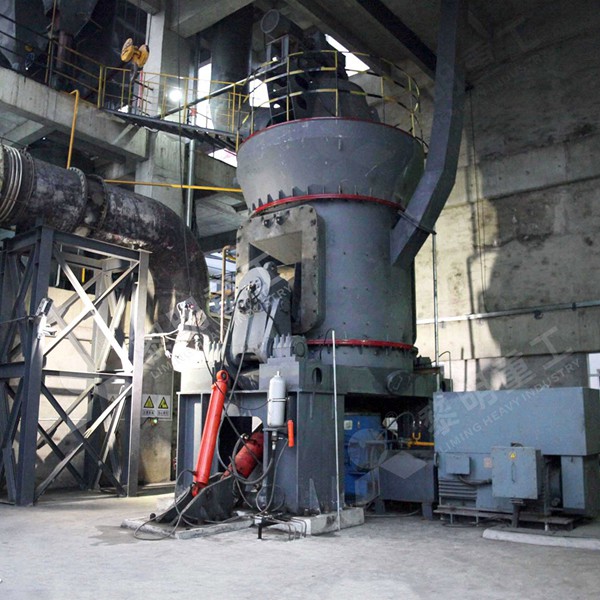
Figure 1: LIMING LM Vertical Roller Mill installed for gypsum grinding in a production line.
7. LIMING Heavy Industry: Your Reliable Partner in Gypsum Grinding
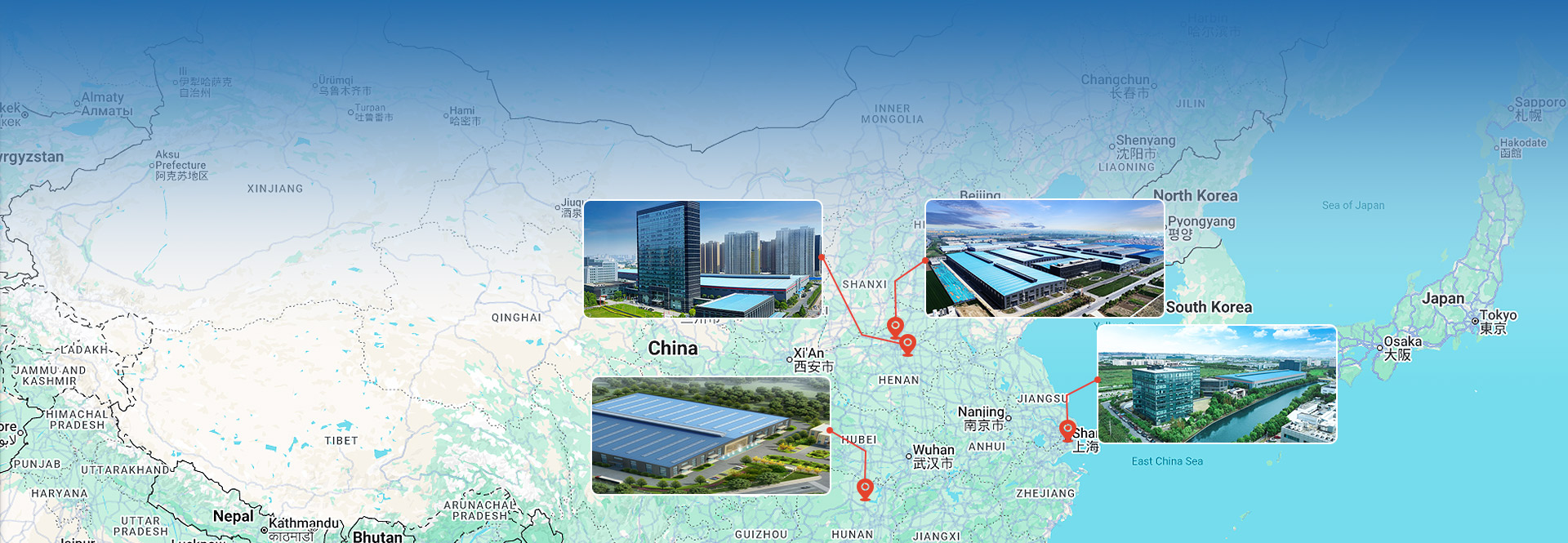
Since its founding in 1987, LIMING Heavy Industry has grown into a leading manufacturer of crushing and grinding equipment, with a market presence in over 80 countries. Our headquarters in Zhengzhou, China, spans over 80,000 m², and our production facility in Shangjie covers an additional 67,000 m². We are committed to continuous innovation, backed by a mature scientific research team focused on technological advancements that enhance equipment efficiency and reliability.
Our gypsum grinding solutions have been successfully deployed in various climates, including cold regions similar to Nur-Sultan. For example, our LM vertical mill is equipped with a high-performance sealing system and automatic heating options to ensure smooth operation even at -20°C. Additionally, our after-sales service includes local spare parts warehouses in Central Asia and a technical support team available 24/7.
We recommend the following two products for gypsum processing in Nur-Sultan:
- MTW European Type Trapezium Mill (model MTW138 or MTW175): Ideal for medium-scale plants (3-20 t/h) requiring fineness of 80-400 mesh. It offers a compact design, low energy consumption, and high reliability.
- LM Vertical Roller Mill (model LM1300 or LM1700): Best for large-scale production (20-50 t/h) with stringent fineness requirements. It combines drying and grinding, reducing the need for auxiliary equipment.
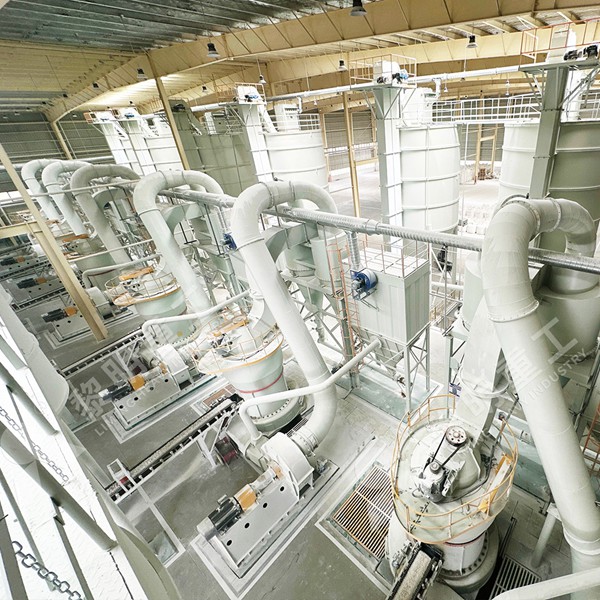
Figure 2: MTW European Type Trapezium Mill used for gypsum powder production.
8. Installation and Operational Considerations in Nur-Sultan
Installing a grinding mill in Nur-Sultan requires careful planning due to the extreme climate and infrastructure conditions. Here are key points to address:
- Foundation design: The mill foundation must be designed to withstand vibrations and potential frost heave. Use reinforced concrete with proper insulation layers to prevent ground movement.
- Heating and insulation: The mill building should be insulated to maintain a minimum temperature of +10°C in winter, preventing oil lubricants from thickening and electronic components from malfunctioning.
- Ventilation and dust control: Install high-efficiency pulse dust collectors at all transfer points and silo vents. The collected dust can be recycled into the process, minimizing waste and environmental impact.
- Power supply: Ensure a stable power supply; voltage fluctuations can damage motors. Consider installing a voltage stabilizer or soft-start devices.
- Water supply: For cooling systems, use closed-loop water circuits with antifreeze to avoid freezing in piping.
- Operator training: LIMING provides comprehensive training for your operators and maintenance staff, including safety protocols and troubleshooting guides.
9. Total Cost of Ownership and ROI Analysis
The total cost of ownership (TCO) of a grinding mill includes initial capital cost, installation, energy consumption, maintenance, spare parts, and downtime. For an accurate comparison, we have estimated TCO for a 10 t/h gypsum line in Nur-Sultan (assumptions: 20 hours/day operation, 300 days/year, electricity cost 0.06 USD/kWh):
- Raymond mill: Capital $120,000, energy consumption 350 kW/h → annual energy cost $126,000, annual maintenance $15,000. Total 5-year TCO ≈ $800,000.
- MTW mill: Capital $200,000, energy consumption 250 kW/h → annual energy cost $90,000, annual maintenance $10,000. Total 5-year TCO ≈ $620,000.
- LM vertical mill: Capital $350,000, energy consumption 200 kW/h → annual energy cost $72,000, annual maintenance $12,000. Total 5-year TCO ≈ $800,000.
Despite the higher initial cost of the LM mill, its energy efficiency and lower maintenance yield similar TCO to the Raymond mill, while offering higher capacity and product quality. The MTW mill provides the best combination of low TCO and high performance, making it the recommended choice for most gypsum producers in Nur-Sultan.
10. Future Trends in Gypsum Grinding Technology
The grinding industry is evolving with advancements in automation, digitalization, and sustainability. LIMING is at the forefront of these developments:
- Smart monitoring: Our mills can be equipped with IoT sensors that transmit operational data to a cloud platform, enabling predictive maintenance and process optimization.
- Waste heat recovery: The hot air used for drying can be partially recycled, reducing fuel consumption.
- Alternative energy sources: We offer mills that can work with solar thermal or heat pump systems, which are becoming more viable in Kazakhstan.
- Closed-loop recycling: Waste gypsum from construction sites can be recycled and reground, contributing to a circular economy.
11. Conclusion and Next Steps
Choosing the right gypsum grinding equipment for your production line in Nur-Sultan is a critical decision that impacts your business for years to come. By understanding your requirements—capacity, feed size, moisture, fineness, and energy budget—you can select the optimal mill from LIMING’s comprehensive product range. Our team of engineers is available to conduct a free site assessment, provide a tailored quotation, and support you through installation and commissioning.
Don’t hesitate to contact LIMING Heavy Industry to discuss your project today. We are committed to helping you build a successful gypsum business in Kazakhstan, delivering high-quality equipment that stands the test of time.
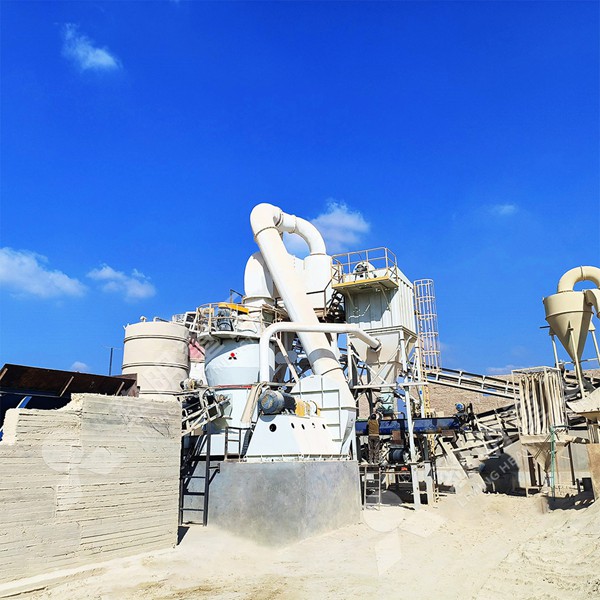
Figure 3: LIMING Heavy Industry’s manufacturing facility in Zhengzhou, China.
FAQ
FAQ 1: What is thebest grinding mill for gypsum with high moisture content?
For gypsum with more than 8% moisture, the LM vertical roller mill is highly recommended due to its integrated drying system. It can handle feed moisture up to 15% without the need for separate dryers, saving capital costs. The hot air used for drying also helps transport fine particles to the classifier, improving efficiency.
FAQ 2: How can I achieve a fineness of 200-300 mesh for gypsum plaster?
Both the MTW European Type Trapezium Mill and the Raymond mill can produce gypsum powder with fineness between 80 and 400 mesh. For a stable 200-300 mesh output, set the classifier speed and air flow accordingly. The MTW mill offers more precise control thanks to its advanced dynamic classifier, ensuring a consistent particle size distribution.
FAQ 3: What is the typical maintenance schedule for a gypsum grinding mill?
For LIMING mills, daily checks include monitoring oil levels, temperature, and vibrations. Weekly lubrication of bearings and rollers is recommended, while monthly inspections of grinding parts (rollers, ring) and classifier blades are essential. The key components usually last 12-24 months depending on wear. LIMING provides OEM spare parts and maintenance guides to minimize downtime.
FAQ 4: Can LIMING equipment operate in extreme cold conditions of Nur-Sultan?
Yes, LIMING designs its equipment with cold-weather options, including insulated hydraulic systems, heating elements for lubrication units, and materials that resist brittleness at low temperatures. We have installed mills in Siberia and Northern China with similar conditions. Additionally, we provide recommendations for building insulation and heater sizing to ensure reliable start-up and operation even at -30°C.