

1. Introduction: The Growing Demand for Limestone Processing in Semey
Semey, a major industrial city in the Abai Region of Kazakhstan, has witnessed a steady increase in demand for finely ground limestone across various sectors. From construction and agriculture to metallurgy and power generation, the need for efficient and reliable grinding solutions is paramount. As a business owner or plant manager, selecting the right limestone mill is not a mere procurement decision; it is a strategic investment that directly impacts your operational efficiency, product quality, and overall profitability. This guide aims to provide a comprehensive overview of the critical factors to consider when purchasing a limestone grinding plant in Semey, referencing the robust engineering solutions available in the market today.
The selection process involves far more than just comparing price tags. It requires a deep technical understanding of your raw material feed, desired fineness, production capacity, and environmental compliance requirements. A wrong choice can lead to high energy consumption, frequent breakdowns, and inferior product quality, all of which erode your competitive edge. Therefore, we will dissect each key factor, from material characteristics to after-sales service, to equip you with the knowledge needed for a confident investment.
2. Raw Material Analysis: Understanding Your Limestone
Before evaluating any grinding machinery, a thorough analysis of your limestone is indispensable. The hardness, moisture content, and chemical composition of the stone will significantly influence the choice of mill. Limestone typically has a hardness of 3 on the Mohs scale, but impurities like silica or clay can increase its abrasiveness, causing accelerated wear on grinding parts. For softer materials like pure calcium carbonate, a roller mill might be ideal, but for harder, more abrasive limestone, certain adjustments or alternative technologies may be necessary.
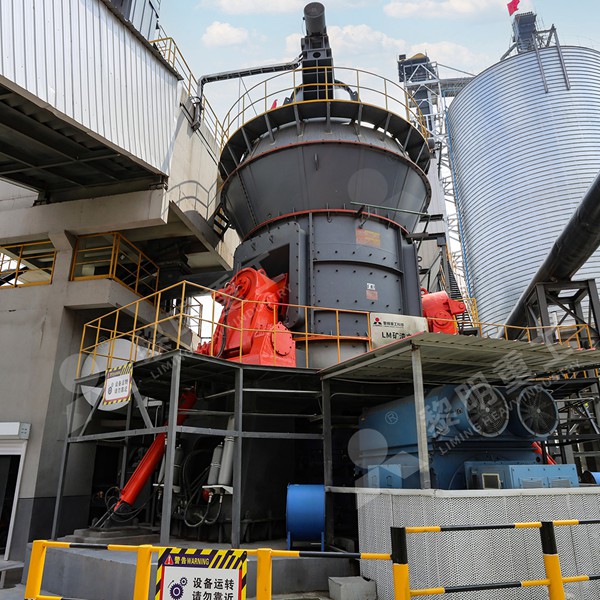
Moisture content is another critical parameter. In Semey, where seasonal weather can bring significant rainfall, limestone sourced from open pits might have higher surface moisture. This necessitates a mill with excellent drying capabilities. Advanced systems, such as the LM Vertical Roller Mill by Liming Heavy Industry, integrate drying, grinding, and classification in a single unit. Their design allows for the passage of hot air through the mill, efficiently evaporating moisture from the feed material (up to 15-20% moisture) without the need for a separate drying drum. This integration not only saves plant footprint but also reduces capital expenditure significantly compared to traditional grinding systems.
3. Defining Your Production Capacity and Fineness Requirements
Your target output capacity directly determines the class of grinding equipment you will need. Are you aiming for a small-scale operation producing a few tons per hour, or a large industrial plant with a need for hundreds of tons of powder per hour? For high-capacity requirements in Semey, particularly for projects like power plant desulfurization (FGD) or large-scale construction materials, a heavy-duty mill is essential. The LM Vertical Roller Mill offers capacities from 10 to 400 t/h, making it a flagship solution for large capital projects. Its high grinding efficiency is achieved by utilizing a vertical grinding mechanism and a dynamic separator that ensures high fineness while maintaining enormous throughput.
The required product fineness is equally critical. For concrete admixtures, a fineness of 200 mesh (74 μm) is common, while for FGD, a fineness of 250 mesh (58 μm) with high specific surface area is preferred. For specialized applications like PVC fillers or rubber, you might require superfine powder down to 5 microns. For these requirements, the MW Micro Powder Mill is an ideal option. It can achieve a fineness range of 325 mesh to 3250 mesh (d97 ≤ 5μm), offering a solution for producers looking to create high-value-added products. Understanding your specific market needs is crucial, as over-grinding can lead to energy waste, while under-grinding may compromise product quality. A reputable manufacturer like Liming Heavy Industry will offer mills with adjustable classifiers that can fine-tune the fineness to your precise specification.
4. Energy Efficiency and Operating Costs: The Long-Term Economic Equation
Energy prices are always a significant concern for industrial operations in Kazakhstan. Grinding is an energy-intensive process, and the operational costs over a mill’s lifetime often outweigh the initial purchase price. Therefore, selecting a mill with high energy efficiency is paramount. Vertical Roller Mills (VRMs) are globally recognized as the most energy-efficient grinding technology on the market. Compared to traditional ball mills, a VRM can reduce power consumption by 30% to 50%. This is due to the grinding principle itself – material is crushed and ground in a bed under high pressure, rather than being impacted by tumbling media. The MTW European Type Trapezium Mill is another excellent example of energy-saving technology. As an upgrade of the traditional Raymond mill, it features a bevel gear integral transmission and an internal thin oil lubrication system, which significantly reduces mechanical losses and energy consumption.
Beyond energy, wear and maintenance costs are substantial. The grinding rollers and table liners are the primary wear parts. A best-in-class mill utilizes high-quality alloys for these components to extend their service life. For instance, Liming’s LM Mill utilizes high-chromium alloy rollers, which offer superior wear resistance. Additionally, consider the ease of maintenance. A mill with convenient access to internal components, such as hydraulic systems for lifting rollers and swing-out devices, reduces downtime for maintenance, thus maximizing operational availability. When calculating the total cost of ownership, look for equipment that minimizes friction, reduces downtime, and simplifies maintenance procedures.
5. Environmental Compliance and System Integration
With increasing global and local regulatory pressure regarding dust emissions and air quality, ensuring your grinding plant is environmentally compliant is non-negotiable. A modern milling system must be equipped with high-performance dust collectors. Pulse-jet bag filters are the industry standard, capable of capturing over 99.9% of dust particles. The entire system should ideally operate under negative pressure, ensuring no dust leaks into the atmosphere or the workshop. Liming Heavy Industry equips all its mills with state-of-the-art pulse dust collectors, ensuring your operation in Semey meets stringent ecological standards. Furthermore, the mill’s body and classifier are designed to be completely sealed.
Another critical aspect of system integration is the closed-loop air circulation system. In mills like the MTW, air flow passing through the separator is recycled to the air blower, not discharged into the environment. This closed circuit not only minimizes dust but also conserves thermal energy if drying is required within the system. This holistic approach to system design, as provided by Liming Heavy Industry, starting from jaw crusher, vibrating feeder, through the mill, to the baghouse and storage silo, ensures a seamless, efficient, and environmentally friendly operation that you can be confident about.
6. The ‘Turnkey’ System: From Crushing to Packing
A grinding plant is rarely a standalone piece of machinery; it is the core of a larger system. The purchase guide must therefore extend to the auxiliary equipment that feeds the mill and handles its product. The process begins with a primary crusher. For limestone, a Jaw Crusher is typically used to reduce large boulders to the required input size (usually 10-50mm depending on the mill). This crushed material is then transported via a bucket elevator to a storage hopper. A vibrating feeder controls the feed rate into the mill, ensuring a consistent and stable material bed inside the grinding chamber.
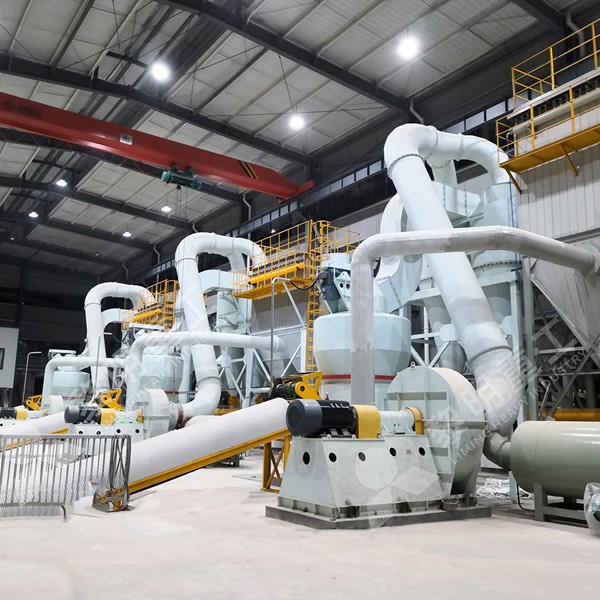
Choosing a manufacturer like Liming Heavy Industry, who can provide a complete system solution, is a strategic advantage. They manufacture the jaw crusher, the bucket elevator, the vibrating feeder, the main mill, the air blower, and the cyclone/pulse dust collector. This single-source responsibility simplifies project management, guarantees component compatibility, and streamlines after-sales service. You don’t have to worry about coordinating multiple suppliers for every single component. The company’s engineering team can design the entire process flow tailored to your specific site conditions in Semey, ensuring efficient material flow from raw material pit to final product bagging.
7. Why Choose Liming Heavy Industry: A Benchmark of Reliability
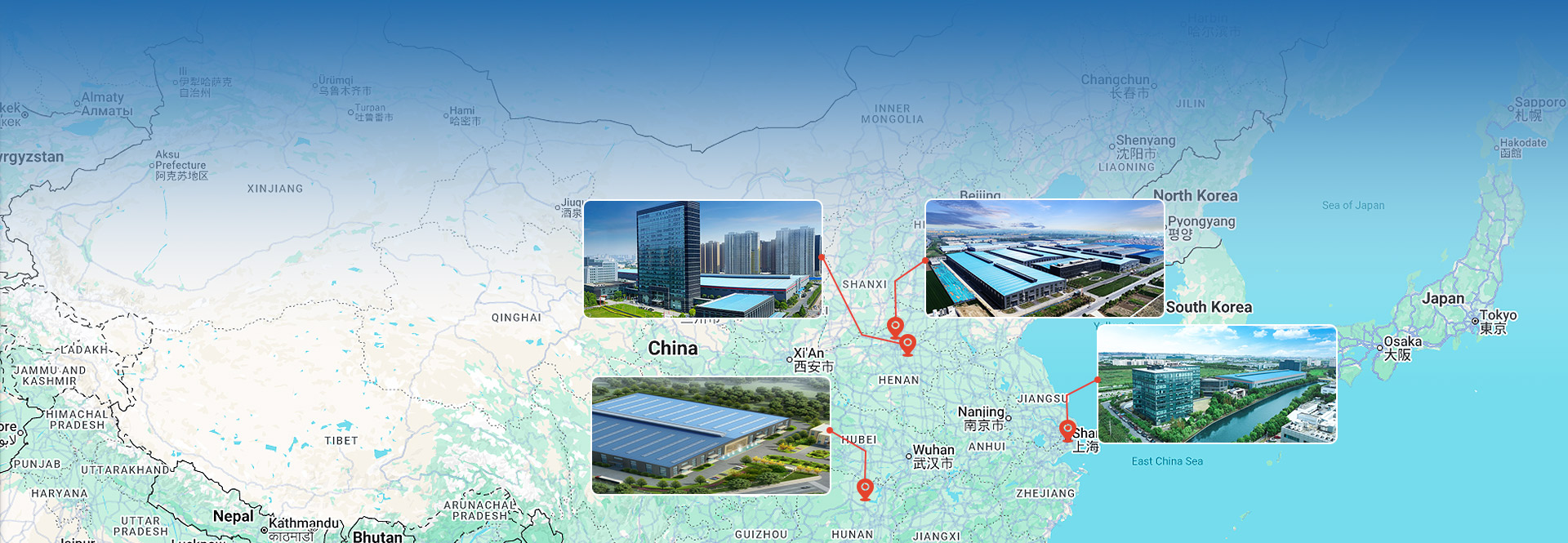
Since its establishment in 1987, Liming Heavy Industry Co., Ltd. has grown to become a leader in the machinery manufacturing industry. With its headquarters in Zhengzhou, covering 80,000 m², and a further workshop of 67,000 m², the company possesses the scale and manufacturing capabilities to produce heavy-duty, high-precision equipment. With over 30 years of experience, Liming’s scientific research team continues to innovate, focusing on the technological frontier of the industry. This commitment to R&D ensures that their mills are not just built on old technologies but are updated with the latest advancements in automation, grinding mechanics, and energy conservation.
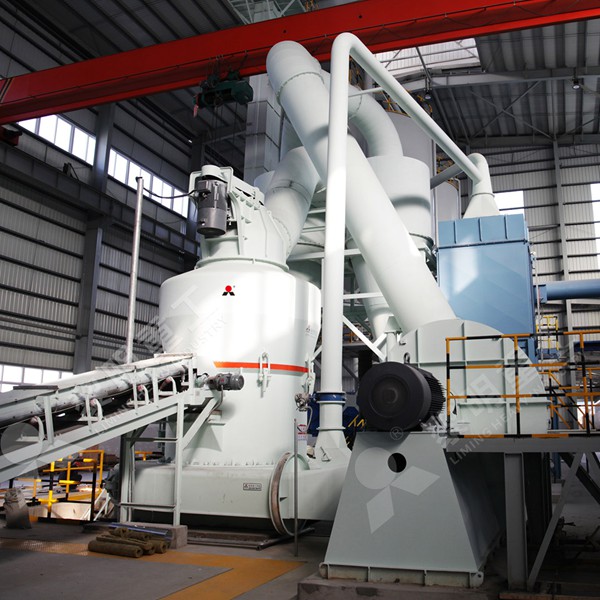
Specifically, for the Semey market, we recommend the MTW European Type Trapezium Mill. This mill is the perfect balance of cost and performance. With a capacity range of 3-55 TPH and an input size of 30-50mm, it serves well for medium to large scale producers. Its patented technology, including a bevel gear system and a curved air duct, delivers stable performance and high productivity that is environmentally friendly and energy saving. This unit is ideal for limestone desulfurization in power plants and heavy calcium carbonate processing. Its mechanical structure is robust to handle the demands of continuous operation, ensuring your business in Semey runs smoothly without unexpected interruptions.
8. Conclusion: Making an Intentional Investment for Semey’s Future
Purchasing a limestone mill is a significant financial commitment and a cornerstone of your production strategy. The factors outlined above—from raw material analysis and capacity planning to energy efficiency and environmental compliance—should serve as your checklist when evaluating potential suppliers. By choosing a high-efficiency mill from a reputable manufacturer like Liming Heavy Industry, you are selecting a partner in your success. Whether you opt for the massive throughput of the LM Vertical Roller Mill or the versatility and cost-effectiveness of the MTW Trapezium Mill, you are investing in machinery that is designed for longevity, efficiency, and profitability.
We encourage you to connect with technical experts who can analyze your specific material samples and recommend the most optimal solution for your project in Semey. The right mill will not only process limestone but will also grind out greater profits and business opportunities for you. Make the calculated choice; choose technology, efficiency, and reliability.
9. FAQs
Q1: What is the difference between an LM Vertical Roller Mill and an MTW Trapezium Mill for limestone?
A: The primary difference lies in capacity and application scale. The LM Vertical Roller Mill is a large-scale system designed for massive industrial production (10-400 TPH), integrating drying and grinding, ideal for huge projects like cement plants. The MTW Trapezium Mill is a heavy-duty upgrade of the Raymond Mill, suited for small to medium scale operations (3-55 TPH). It is often preferred for mineral powder making where lower maintenance, lower power consumption, and a smaller footprint are prioritized, and it is known for high fineness output.
Q2: Can the Mills withstand the cold climate conditions of Semey?
A: Yes, Liming Heavy Industry’s equipment is designed for global use. The electrical components and motors come with high-grade insulation. We recommend installing the mill inside a building with appropriate heating for the auxiliary systems. The machine’s lubrication systems are also compatible with high-viscosity oils used in cold climates. Our engineers will provide a tailored solution for your specific ambient temperature requirements.
Q3: My limestone feed has a moisture content of about 10%. What do you recommend?
A: The LM Vertical Roller Mill is your best choice for high-moisture feeds. It combines drying and grinding within the same chamber, using hot air from an external furnace or waste heat to dry the material instantly during grinding. This eliminates the need for a separate rotary dryer, significantly saving on auxiliary equipment capital costs and installation space.
Q4: What can you do with the finished limestone powder?
A: The application dictates the fineness. For construction (mortar, concrete), 200 mesh powder is standard. For Power Plant FGD (Flue-Gas Desulfurization), a fineness of 250 mesh (D90) with a high CaO content is required. For agricultural purposes, a coarse powder is used. If you need high-value applications like plastic/rubber fillers, you will need the MW Micro Powder Mill to achieve 800-1250 mesh. The MTW and LM series can easily cover the 80-400 mesh ranges.